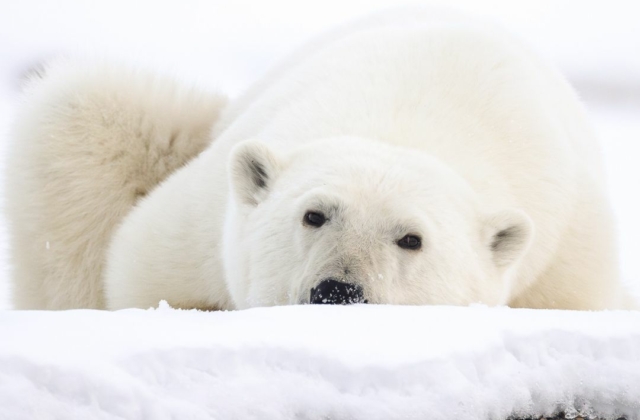
The polar bear does not hibernate
It is a widespread idea: since brown bears hibernate, polar bears must surely do the same. The reality, however, is quite different.
Unlike many other bears, the polar bear does not hibernate. At least, not in the usual sense of the word. Only pregnant females enter a special state of rest, while males and females without cubs stay active throughout the Arctic winter.
Why the difference? Quite simply because the polar bear has adapted perfectly to an environment where winter happens to be the best season… for hunting.
Why don’t polar bears hibernate?
In mammals that hibernate, such as marmots or hedgehogs, the body slows down dramatically. Body temperature drops, the heart rate falls and energy needs become extremely low.
Such a mechanism would be far less efficient in an animal as massive as the polar bear.
Weighing between 300 and 700 kg as an adult male, it would need a considerable amount of energy to lower and then raise its body temperature. The benefits of true hibernation would therefore be largely outweighed by the energy it would take to return to normal.
Above all, though, the polar bear simply does not need to.
Unlike brown bears, whose main food sources disappear in winter, polar bears find their best hunting conditions precisely at that time of year.
Winter: the best season for catching seals
The polar bear depends almost entirely on seals, especially the ringed seal.
In winter, when the sea ice is well formed, seals use small holes in the ice to come up and breathe. The bears know these openings well and can wait for hours, motionless, in the hope that a seal will surface.
This hunting technique, known as still-hunting, is particularly effective during the coldest months.
Giving up this time of plenty to hibernate would therefore be counterproductive.
Less active, but not hibernating
Even though they stay active all year round, polar bears do not spend the winter roaming the sea ice nonstop.
When conditions are harsh or prey becomes scarcer, males and non-pregnant females simply slow down. They sleep more, travel less and save their fat reserves.
Scientists sometimes speak of a kind of winter rest, very different from true hibernation.
Their body temperature stays practically stable and their bodies keep functioning normally. They can wake up instantly and set off to hunt again if an opportunity arises.
Pregnant females, the only ones to den
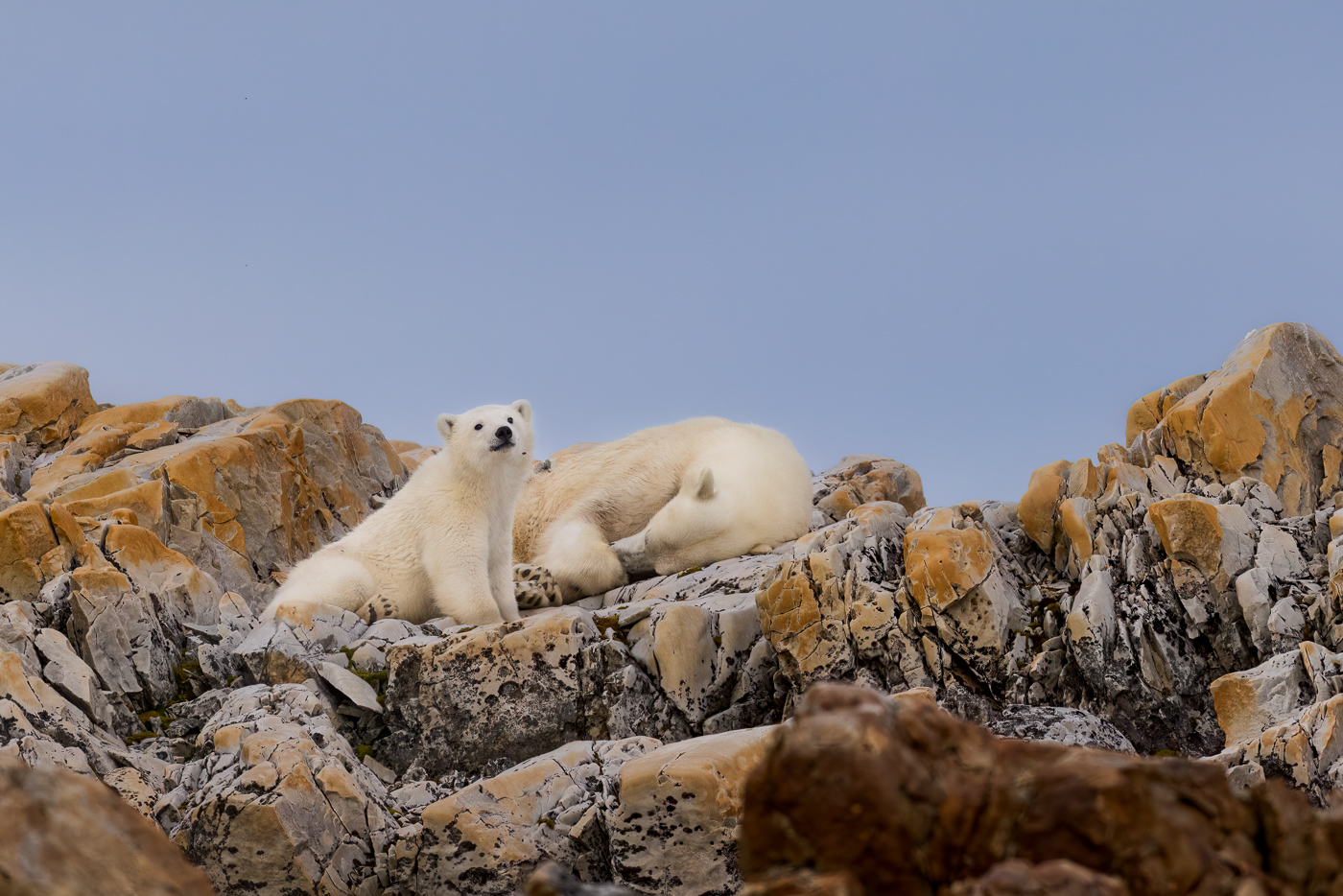
The only exception is females that are expecting cubs.
In the fall, they look for a snowdrift deep enough to dig a den in the snow. They usually settle in between October and November, before the first big storms.
It is in this shelter, out of the icy wind, that they give birth to their cubs, most often in December.
For several months, the mother does not eat, drink or hunt. She lives entirely on the impressive fat reserves she built up over the previous year.
Her metabolism slows down to save energy, but unlike a true hibernator, her body temperature remains almost constant. She stays alert enough to care for her cubs and respond to the slightest danger.
Biologists therefore speak of a state of dormancy or lethargy rather than true hibernation.
Tiny cubs in an extreme environment
The birth of the cubs is a true biological feat.
At birth, they weigh barely 500 to 700 grams, less than a guinea pig, while their mother can weigh more than 250 kilograms.
Blind, nearly hairless and completely dependent, they survive on their mother’s extremely rich milk, one of the most energy-dense of any mammal. In just a few months, they put on weight quickly, grow thick fur and build up a precious layer of fat they will need to face the cold.
Throughout this winter in the den, the female keeps drawing on her reserves to feed her cubs.
Back on the sea ice
Between mid-March and mid-April, when the days grow longer and temperatures become a little less harsh, the little family finally leaves the den.
The cubs then discover the outside world for the first time.
They stay close to their mother at all times as she gradually teaches them to walk on the sea ice, to recognize danger and, later, to hunt seals. This apprenticeship lasts more than two years, an exceptionally long time for a mammal, which reflects how complex polar bear behavior is.
A unique adaptation to the polar world
The polar bear is often described as the king of the Arctic, and for good reason. Its way of life is perfectly suited to the extreme conditions of the sea ice.
Rather than hibernating like its cousins, it stays active when hunting conditions are at their best. Only pregnant females temporarily stop their activity to give birth to their cubs in a safe place.
This strategy, shaped by thousands of years of evolution, allows the species to survive in one of the most hostile environments on the planet. But it also makes polar bears especially dependent on the sea ice, which is now being weakened by global warming. Understanding how they live also means becoming aware of the challenges they now face.Sail to the Far North
aboard Polarfront
Twelve guests, a seasoned crew and passionate guides: the upcoming departures.
8 days / 7 nights Norway · Northern lightsPhoto voyage in Norway 11 of 12 spots Promo from€2,585 20Dec2026 returning Dec 28 Winter
9 days / 8 nights Norway · Northern lightsWinter magic in Norway 7 of 12 spots Promo from€2,975 28Dec2026 returning Jan 5 Winter
9 days / 8 nights Norway · Northern lightsWinter magic in Norway Only 3 spots left from€5,950 28Feb2027 returning Mar 7 Winter
8 days / 7 nights Norway · Northern lightsNorwegian gems in spring 8 of 12 spots from€5,280 16Apr2027 returning Apr 25 Spring
10 days / 9 nights Spitsbergen · WildlifePolar spring in Spitsbergen 12 of 12 spots from€12,490 25Apr2027 returning May 4 Spring
10 days / 9 nights Spitsbergen · WildlifePolar spring in Spitsbergen 5 of 12 spots from€12,490 4Aug2027 returning Aug 13 Summer
10 days / 9 nights Spitsbergen · WildlifeMidnight sun in Svalbard 11 of 12 spots from€12,620 22Aug2027 returning Sep 1 Summer
11 days / 10 nights Greenland · Northern lightsNortheast Greenland National Park Last spot from€13,880 19Sep2027 returning Sep 26 Fall
8 days / 7 nights Spitsbergen · Northern lightsAutumn escape to Svalbard 12 of 12 spots from€9,720 26Sep2027 returning Oct 4 Fall
9 days / 8 nights Spitsbergen · Northern lightsAutumn lights in Svalbard 10 of 12 spots from€11,110 4Oct2027 returning Oct 12 Fall
9 days / 8 nights Spitsbergen · Northern lightsAutumn lights in Svalbard 12 of 12 spots from€11,110 10Dec2027 returning Dec 18 Winter
9 days / 8 nights Norway · Northern lightsWinter magic in Norway 12 of 12 spots from€6,040 18Dec2027 returning Dec 26 Winter
9 days / 8 nights Norway · Northern lightsWinter magic in Norway 12 of 12 spots from€6,220 26Dec2027 returning Jan 3 Winter
9 days / 8 nights Norway · Northern lightsWinter magic in Norway 12 of 12 spots from€6,220
No upcoming departures for this selection.
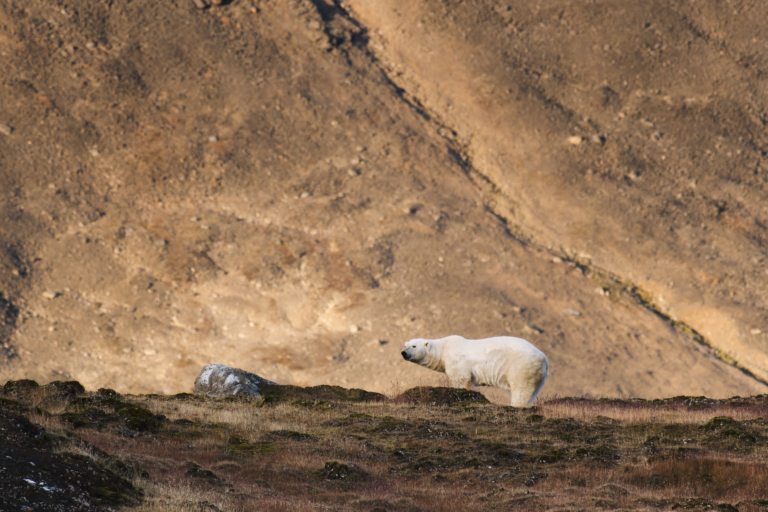
Polar bears in Spitsbergen: where and when to see them
Seeing a polar bear in the wild is the dream of many travelers heading to Spitsbergen. The archipelago is one of the best places in the world to…
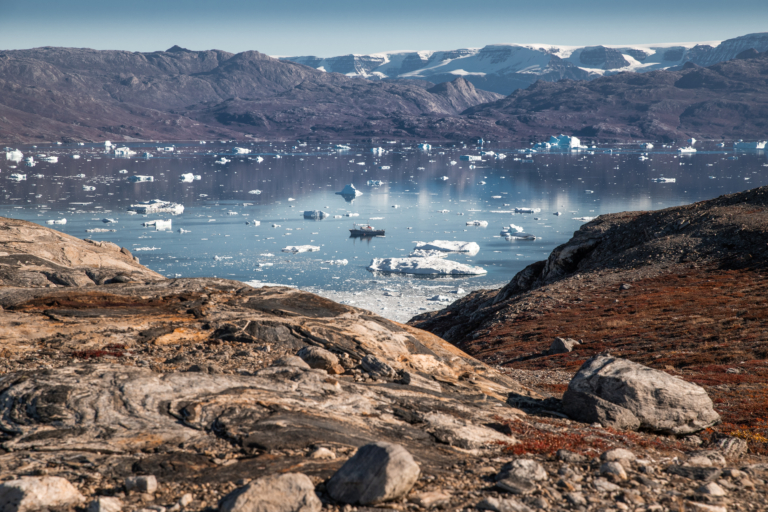
10 sounds of the Arctic you will never forget
Traveling in the polar regions means learning to slow down and pay attention to details we often overlook in everyday life. In these places, where the absence of…
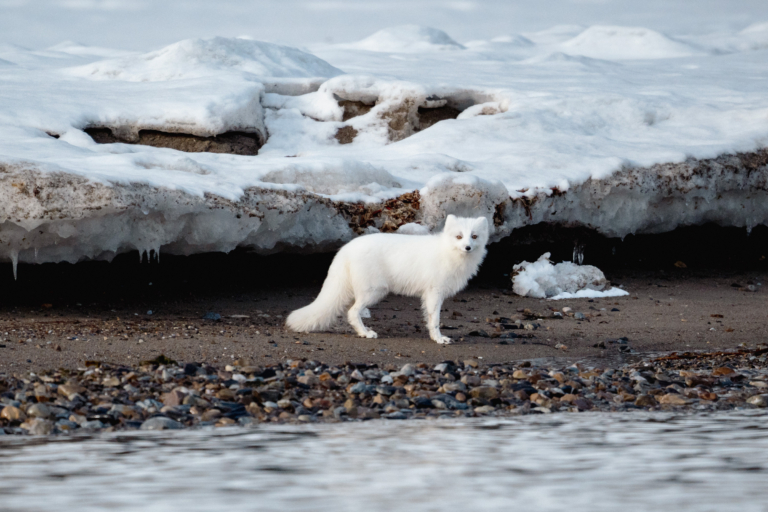
Arctic fox: how does it survive in one of the most hostile environments on the planet?
In the white vastness of the Arctic, a discreet silhouette sometimes crosses the snow-covered tundra. Fast, agile and perfectly camouflaged, the Arctic fox (Vulpes lagopus) is one of…