Arctic fox: how does it survive in one of the most hostile environments on the planet?
In the white vastness of the Arctic, a discreet silhouette sometimes crosses the snow-covered tundra. Fast, agile and perfectly camouflaged, the Arctic fox (Vulpes lagopus) is one of the great specialists of extreme conditions.
Found in the planet’s northernmost regions, from Greenland to Svalbard by way of Alaska and Siberia, this small carnivore has evolved remarkable adaptations that allow it to survive where few animals could hold out.
Faced with freezing temperatures, scarce food and long periods of winter darkness, the Arctic fox doesn’t fight its environment: it has made it an ally.
An animal perfectly adapted to extreme cold
At first glance, the Arctic fox looks rather fragile in the face of Arctic conditions. Weighing just 3 to 5 kilograms, it seems tiny amid the vast polar landscapes.
Yet its body is a true marvel of adaptation.
Unlike foxes in temperate regions, it has short, rounded ears that greatly reduce heat loss. Its compact build also reduces the surface area exposed to the cold, while its shorter muzzle limits heat exchange with the icy air.
Its paws are adapted to its environment too. Covered in thick fur right down to the pads, they work like natural boots, insulating it from the snow and ice.
This feature even earned it its scientific name: lagopus means “hare foot” in ancient Greek, a reference to its furry paws.
A coat that changes with the seasons
One of the Arctic fox’s most fascinating traits is its incredible talent for camouflage.
There are two main forms of Arctic fox: the white fox and the blue fox.
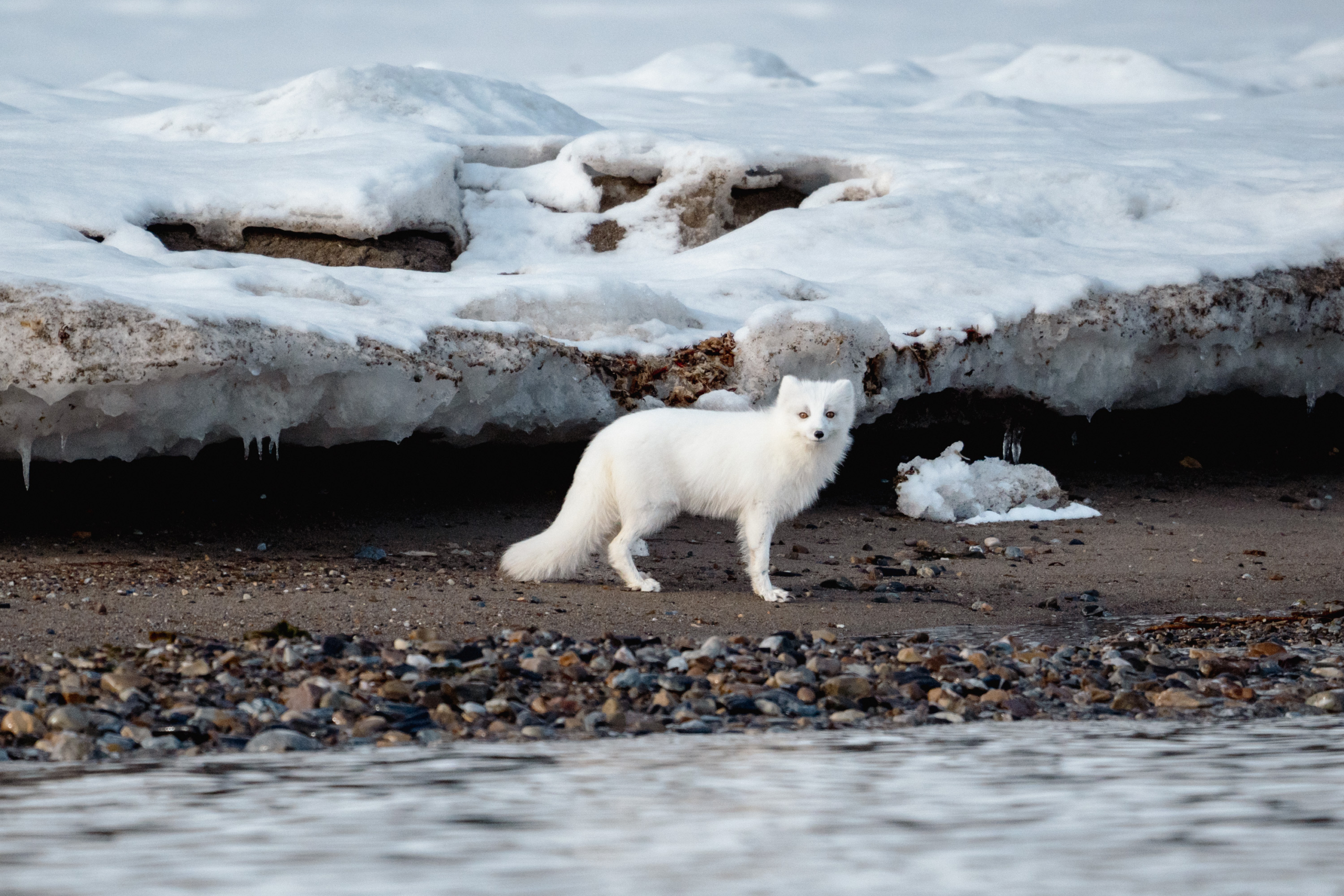
In regions where snow covers the landscape for long periods, most individuals have a white coat in winter. This coat lets them blend perfectly into their surroundings as they stalk their prey or try to avoid predators.
When the warmer days return, their coat turns gray-brown, blending in with the colors of the snow-free tundra.
This seasonal transformation isn’t just for looks: it is an essential weapon for hunting and survival.
In Svalbard, Arctic foxes are mostly of the white form, but some individuals sport darker fur, leaning toward brown or blue-gray.
Exceptional insulation against the cold
The Arctic fox has one of the warmest coats in the animal kingdom.
Its coat is made up of two layers:
- a dense, insulating underfur that traps warm air close to the body;
- longer guard hairs that protect it from moisture, wind and snow.
This insulation is so effective that it can maintain its body temperature even when the thermometer drops below -40°C.
Its metabolism also allows it to produce enough heat, while a thick layer of fat beneath the skin provides a precious energy reserve during periods when food is scarce.
Surviving when food is hard to find
In the Arctic, one of the biggest challenges isn’t just the cold: it’s finding food.
The Arctic fox is an opportunist that can adapt its diet to whatever resources are available.
In spring and summer, it mainly hunts:
- lemmings, small rodents that are essential to its diet;
- birds and their eggs;
- chicks;
- fish or marine invertebrates.
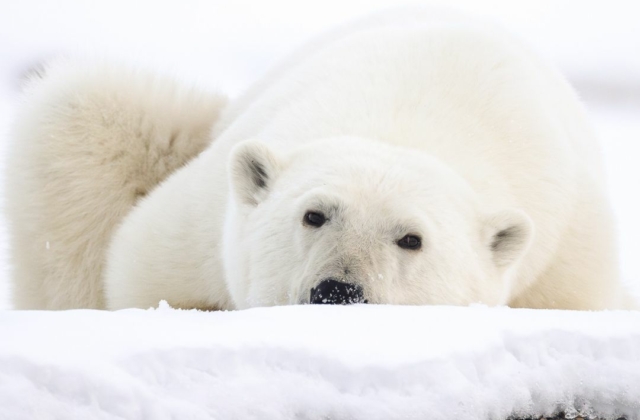
Along the coasts, it also takes advantage of what the ocean has to offer. It can feed on seal carcasses or on the leftovers polar bears leave behind after a hunt.
This relationship between the two species is particularly interesting: the Arctic fox sometimes follows in the polar bear’s tracks and waits for it to abandon the remains of its prey.
Far from being a mere scavenger, it makes clever use of the opportunities its environment offers.
A hunter that can hear beneath the snow
The Arctic fox has a particularly keen sense of hearing.
Even under a thick layer of snow, it can pick up the movements of small rodents.
When it locates its prey, it uses a spectacular hunting technique: it rises up vertically, motionless in the snow, then suddenly plunges headfirst through the white layer to catch its victim.
This method requires great precision. It relies on a remarkable combination of listening, patience and speed.
A family life organized around survival
Unlike many solitary predators, Arctic foxes often live in pairs during the breeding season.
In spring, the female usually gives birth in a den dug into the ground or among rocks. These dens can be used for several generations and are true family refuges.
After a gestation of about seven weeks, she gives birth to a litter that can include several young, sometimes more than ten when food is plentiful.
Both parents help raise the kits, which stay in the den for several weeks before gradually discovering their surroundings.
This family cooperation improves their chances of survival in an environment where every mistake can be fatal.
The Svalbard Arctic fox: a creature of the wild lands
In the Svalbard archipelago, the Arctic fox is one of the few land mammals able to live there year-round.
It shares this territory with iconic species such as the polar bear, the Svalbard reindeer and the many seabirds that come to nest there in summer.
But unlike the polar bear, which roams vast distances across the sea ice, the Arctic fox stays attached to its territory. It knows every valley, every cliff and every spot where food might turn up.
Seeing one in its natural environment is a rare privilege. Often glimpsed for just a few seconds, it quickly vanishes behind a ridge or into the white expanse.
A symbol of resilience in the face of climate change
For thousands of years, the Arctic fox has had its perfect place in Arctic ecosystems.
But today, it faces new threats linked to climate change.
In some regions, the gradual arrival of the red fox, helped by milder temperatures and shrinking snow cover, is creating new competition for resources and territory.
Changes in sea ice cycles, prey populations and natural balances also pose a challenge for this species, which specializes in cold environments.
Protecting the Arctic fox therefore means preserving a fragile balance: that of a world where every species plays an essential role.
A small figure in a vast land
The Arctic fox embodies, all on its own, the ingenuity of life in extreme regions.
Its incredible fur, its seasonal camouflage, its hunting techniques and its ability to survive in some of the harshest conditions on the planet bear witness to millions of years of evolution.
In the wild landscapes of Svalbard, catching sight of this little white explorer moving between glaciers and mountains is a rare moment.
An encounter with a discreet animal that, all on its own, captures all the magic and fragility of the Arctic world.Sail to Spitsbergen
aboard Polarfront
Twelve guests, a seasoned crew and passionate guides: the upcoming departures.
10 days / 9 nights Spitsbergen · WildlifePolar spring in Spitsbergen 12 of 12 spots from€12,490 25Apr2027 returning May 4 Spring
10 days / 9 nights Spitsbergen · WildlifePolar spring in Spitsbergen 5 of 12 spots from€12,490 4Aug2027 returning Aug 13 Summer
10 days / 9 nights Spitsbergen · WildlifeMidnight sun in Svalbard 11 of 12 spots from€12,620 19Sep2027 returning Sep 26 Fall
8 days / 7 nights Spitsbergen · Northern lightsAutumn escape to Svalbard 12 of 12 spots from€9,720 26Sep2027 returning Oct 4 Fall
9 days / 8 nights Spitsbergen · Northern lightsAutumn lights in Svalbard 10 of 12 spots from€11,110 4Oct2027 returning Oct 12 Fall
9 days / 8 nights Spitsbergen · Northern lightsAutumn lights in Svalbard 12 of 12 spots from€11,110
No upcoming departures for this selection.
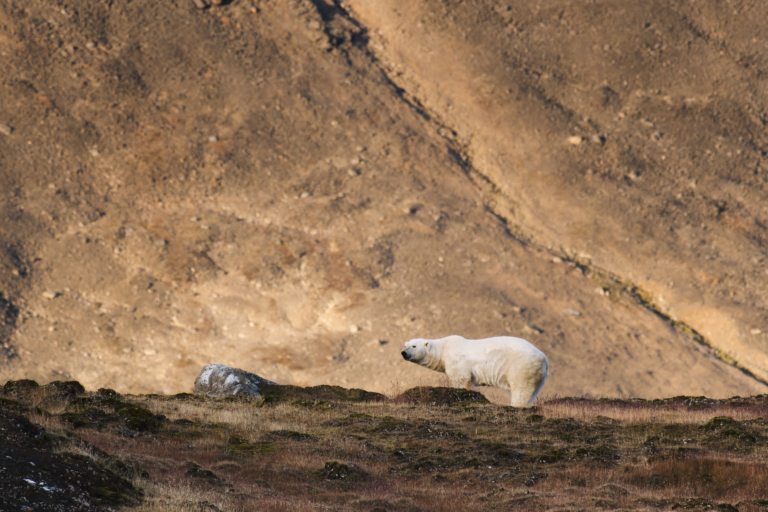
Polar bears in Spitsbergen: where and when to see them
Seeing a polar bear in the wild is the dream of many travelers heading to Spitsbergen. The archipelago is one of the best places in the world to…
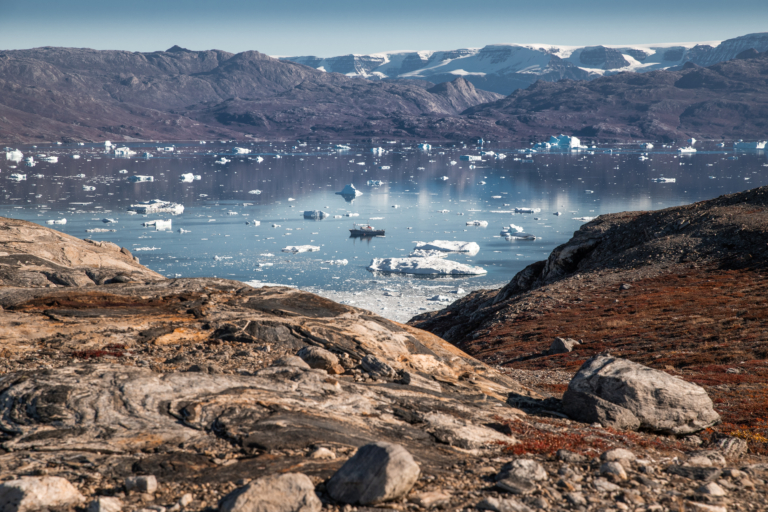
10 sounds of the Arctic you will never forget
Traveling in the polar regions means learning to slow down and pay attention to details we often overlook in everyday life. In these places, where the absence of…
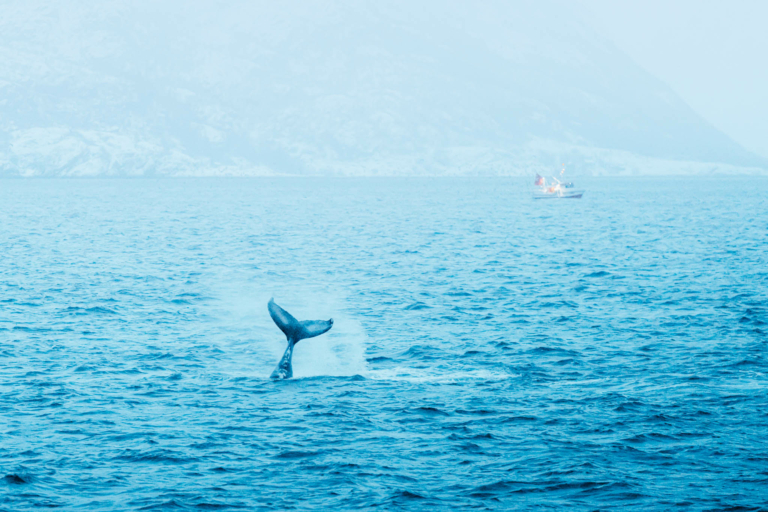
Could whales one day talk to us?
Humankind has always dreamed of communicating with the other species we share our planet with. Understanding birdsong, interpreting the signals of primates or decoding the sounds of the…