Why do the northern lights come in different colors?
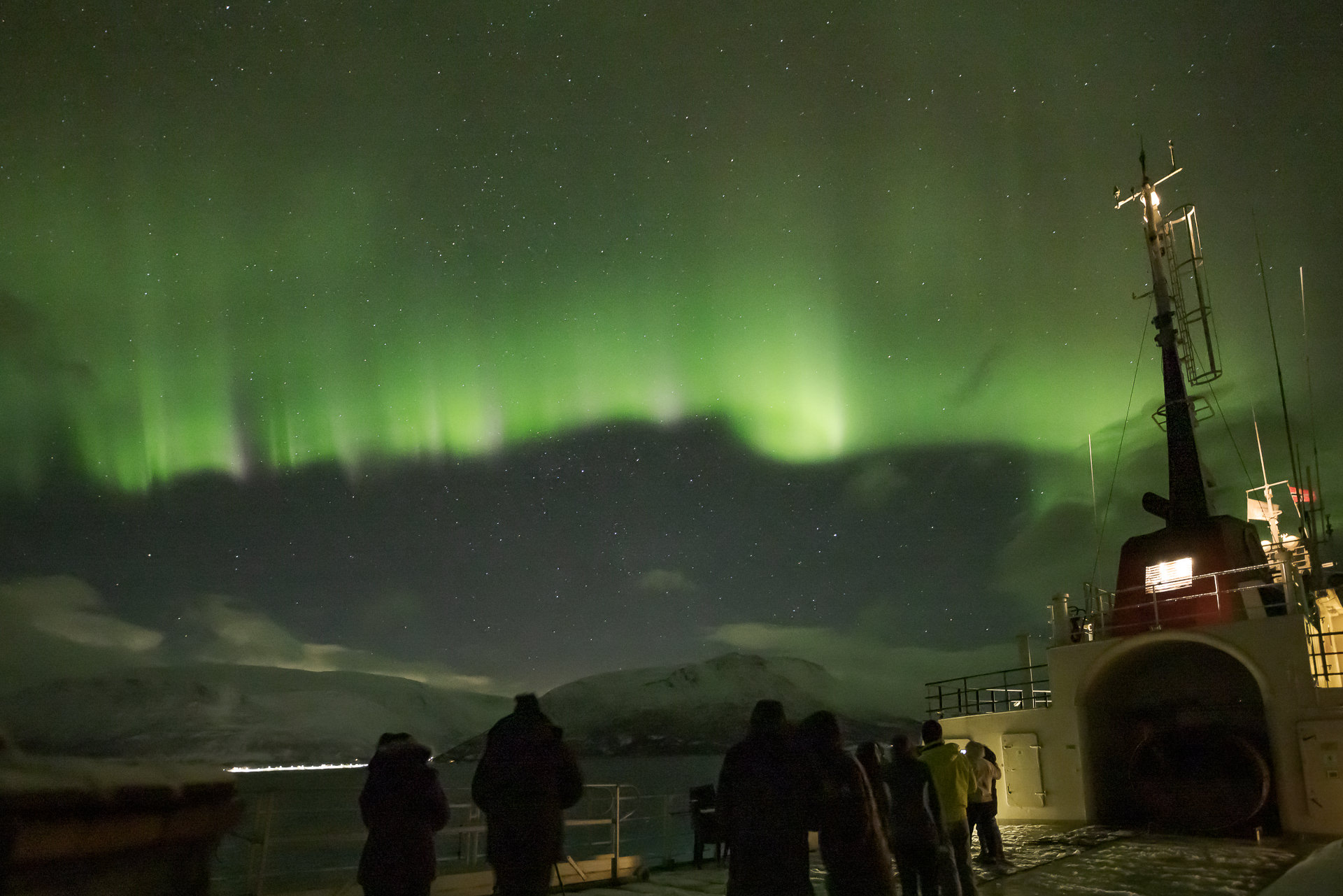
Brilliant green, deep red, purple, pink or even blue… Polar auroras can put on a true light show. Green is by far the most common color, but it is not the only one that lights up the skies of the polar regions.
So where do these different colors come from? Why are some auroras entirely green while others take on shades of red or purple? The answer lies in a fascinating mix of physics, chemistry… and altitude.
When the Sun paints the sky
It all begins nearly 150 million kilometers from Earth. The Sun constantly gives off a stream of electrically charged particles called the solar wind. When these particles reach our planet, some are deflected by the Earth’s magnetic field, while others are channeled toward the North and South Poles.
As they enter the upper atmosphere, these particles collide with the gases that make up the air, mainly oxygen and nitrogen. The collisions excite the atoms and molecules, which store energy for a moment before releasing it as light. It is this light that draws the colored veils of the polar auroras.
The color we see depends on two key factors: the gas involved in the collision and the altitude at which it happens.
Green: the signature color of the aurora
When people picture the northern lights, they usually imagine a rippling green curtain. And for good reason: green is the color seen most often.
It is produced by oxygen atoms at altitudes of 100 to 240 kilometers. Once excited by solar particles, these atoms quickly release their energy as green photons, in less than a second.
At this altitude, the atmosphere is thin enough for this light to be emitted, while still containing enough oxygen atoms to produce particularly bright auroras.
Red: a rare and spectacular color
Red auroras are much rarer and are often seen during periods of especially intense solar activity.
They also come from oxygen, but this time at altitudes above 240 kilometers, in the highest layers of the ionosphere.
Why such a difference? Because an excited oxygen atom takes nearly two minutes to emit red light. If the atom collides with another particle during that time, it loses its energy without producing any light.
This can therefore only happen in very thin regions of the atmosphere, where collisions are rare enough to give the atom time to emit its red photon.
That is why all-red auroras remain fairly exceptional and often point to remarkable geomagnetic conditions.
Blue and purple: the colors of nitrogen
When solar particles reach lower layers of the atmosphere, at altitudes below 100 kilometers, they mainly excite nitrogen molecules.
These give off blue or purple light, sometimes visible along the lower edge of the curtains of light. Purple often comes from a mix of red emissions from oxygen and blue emissions from nitrogen.
These shades are usually subtler than green, because they require special viewing conditions and are often drowned out by the intensity of the other colors.
Why do we sometimes see pink?
Aurora photographers know this spectacular hue well. Pink fringes often appear during the most dynamic displays.
They come from a combination of red emissions from oxygen and blue emissions from nitrogen, creating a palette that ranges from magenta to bright pink. To the naked eye, these shades can be hard to make out, but modern cameras, which are more sensitive to light, reveal them with astonishing intensity.
The colors tell us what is happening in the sky
In fact, the colors of the polar auroras are much more than a simple show. They are real clues for scientists.
By observing their hue, shape and altitude, researchers can better understand the interactions between the solar wind, the Earth’s magnetic field and the different layers of the atmosphere. Every aurora is unique and reflects the state of solar activity at the moment it appears.
A show that is never the same
No two polar auroras are exactly alike. Their intensity, shapes and colors vary from one night to the next, even from one minute to the next. It is this unpredictability that makes watching them so fascinating.
Whether the sky blazes with brilliant green, deep red or delicate shades of purple, every aurora tells an invisible story: the meeting of particles from the Sun with the Earth’s atmosphere. A natural phenomenon as poetic as it is scientific, it continues to captivate travelers, photographers and researchers around the world.Sail to the Far North
aboard Polarfront
Twelve guests, a seasoned crew and passionate guides: the upcoming departures.
8 days / 7 nights Norway · Northern lightsPhoto voyage in Norway 11 of 12 spots Promo from€2,585 20Dec2026 returning Dec 28 Winter
9 days / 8 nights Norway · Northern lightsWinter magic in Norway 7 of 12 spots Promo from€2,975 28Dec2026 returning Jan 5 Winter
9 days / 8 nights Norway · Northern lightsWinter magic in Norway Only 3 spots left from€5,950 28Feb2027 returning Mar 7 Winter
8 days / 7 nights Norway · Northern lightsNorwegian gems in spring 8 of 12 spots from€5,280 16Apr2027 returning Apr 25 Spring
10 days / 9 nights Spitsbergen · WildlifePolar spring in Spitsbergen 12 of 12 spots from€12,490 25Apr2027 returning May 4 Spring
10 days / 9 nights Spitsbergen · WildlifePolar spring in Spitsbergen 5 of 12 spots from€12,490 4Aug2027 returning Aug 13 Summer
10 days / 9 nights Spitsbergen · WildlifeMidnight sun in Svalbard 11 of 12 spots from€12,620 22Aug2027 returning Sep 1 Summer
11 days / 10 nights Greenland · Northern lightsNortheast Greenland National Park Last spot from€13,880 19Sep2027 returning Sep 26 Fall
8 days / 7 nights Spitsbergen · Northern lightsAutumn escape to Svalbard 12 of 12 spots from€9,720 26Sep2027 returning Oct 4 Fall
9 days / 8 nights Spitsbergen · Northern lightsAutumn lights in Svalbard 10 of 12 spots from€11,110 4Oct2027 returning Oct 12 Fall
9 days / 8 nights Spitsbergen · Northern lightsAutumn lights in Svalbard 12 of 12 spots from€11,110 10Dec2027 returning Dec 18 Winter
9 days / 8 nights Norway · Northern lightsWinter magic in Norway 12 of 12 spots from€6,040 18Dec2027 returning Dec 26 Winter
9 days / 8 nights Norway · Northern lightsWinter magic in Norway 12 of 12 spots from€6,220 26Dec2027 returning Jan 3 Winter
9 days / 8 nights Norway · Northern lightsWinter magic in Norway 12 of 12 spots from€6,220
No upcoming departures for this selection.
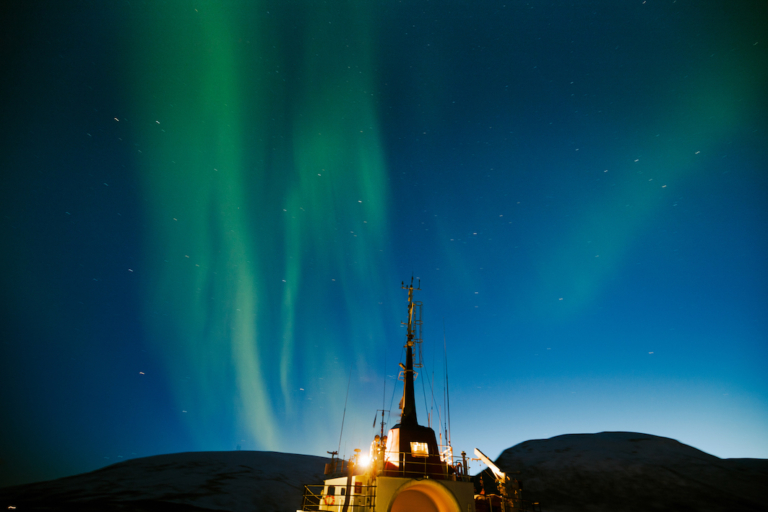
An extremely rare aurora has been observed in Spitsbergen
The phenomenon, never before observed from the Earth’s surface, is thought to be the result of a polar rain of electrons coming straight from the solar corona.
What is life like during the polar night?
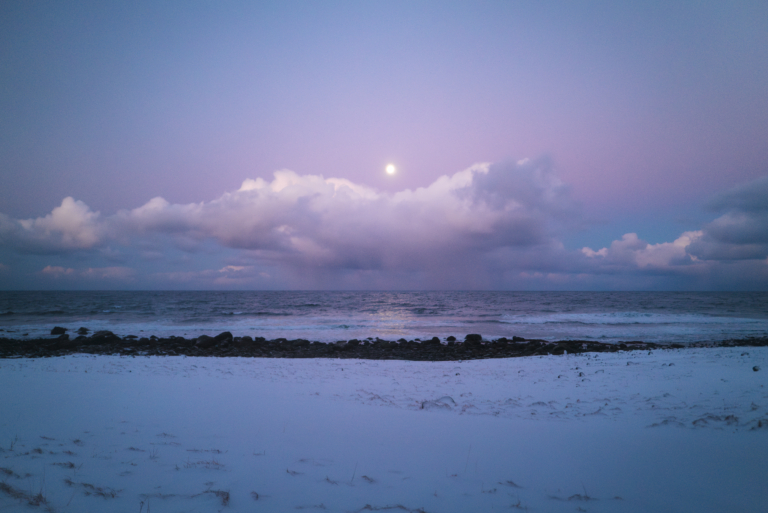
People who live in Earth’s icy polar regions experience almost constant night every winter. This phenomenon is called the polar night, but what exactly is it? When does…
Where does the midnight sun come from?
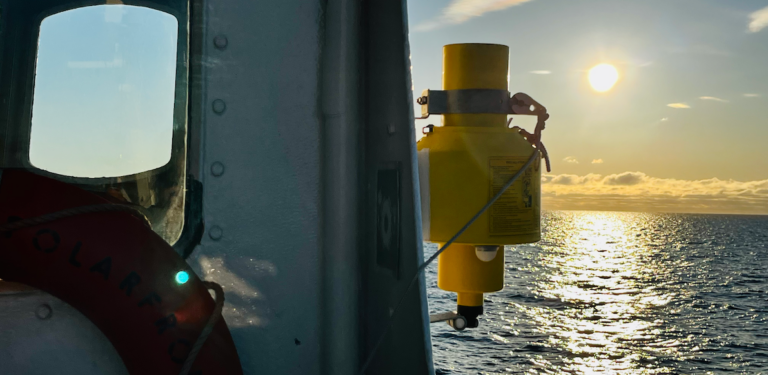
The polar regions are known for the polar night, an almost unbroken winter night. In summer, on the other hand, the days grow longer and longer. The phenomenon…