Sperm whales give birth in groups
A sperm whale birth observed at sea: an exceptionally rare sight
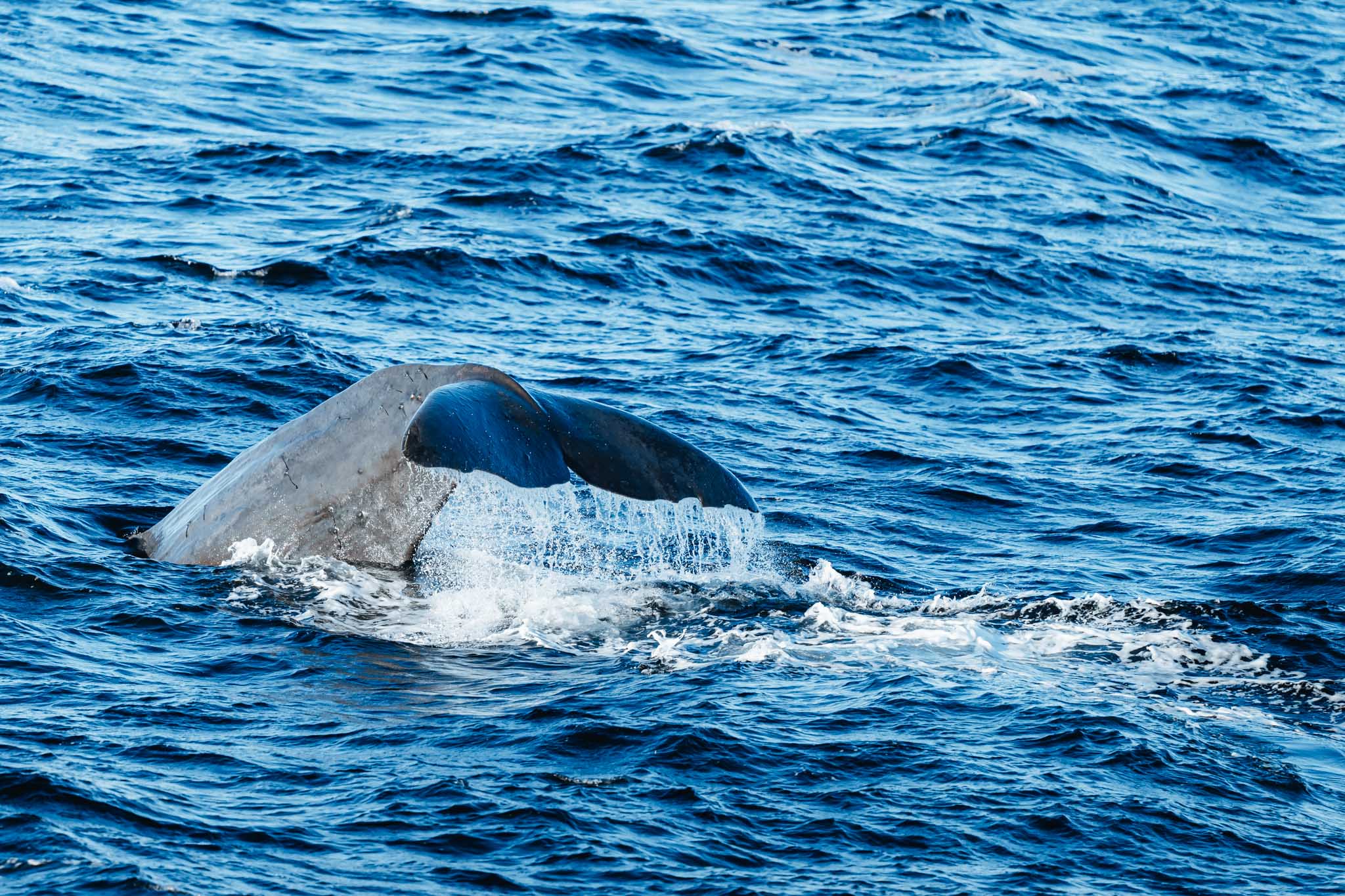
Imagine witnessing the birth of a sperm whale on the open sea. It is so rare that most marine biologists will never see it in their entire careers. And yet that is exactly what happened in the warm waters of the Caribbean Sea, where a team of researchers was lucky enough to witness an event as spectacular as it was moving.
While sailing offshore, the scientists spotted an unusually tight group of sperm whales gathered at the surface. Approaching carefully, they realized they were witnessing a birth. About ten females of all ages surrounded the mother-to-be, forming a true protective circle.
“There were also individuals that didn’t belong to her family group,” explains biologist David Gruber. This observation suggests that mutual aid among sperm whales can extend beyond kinship alone, revealing a particularly sophisticated social organization.
A real team of midwives
Far from being mere spectators, the females took an active part in the birth. Some stayed on the edge of the group to keep watch and deter potential predators, such as large sharks or the orcas found in some regions. Others dove again and again to follow the delivery and make sure everything was going normally.
When the calf was finally born, the females immediately coordinated to support it. Newborns are not yet buoyant enough and struggle to reach the surface on their own. Several adults therefore gently lifted the calf up so it could take its very first breaths, a decisive moment for its survival. Like all marine mammals, a young sperm whale must breathe air from the very first seconds of its life.
Solidarity essential to the calves’ survival
This cooperation perfectly illustrates how groups of females work, sometimes called “nursery groups.” Female sperm whales spend their entire lives in matriarchal clans where several generations live together. The young are raised collectively: while a mother dives, sometimes more than 1,000 meters deep, to feed, other females stay with the calves. Scientists call this allomothering: a behavior in which other individuals help a mother protect, watch over or even feed her calf.
This collective organization greatly increases the newborns’ chances of survival and reflects particularly strong social bonds.
Sperm whales, among the most social animals in the ocean
Sperm whales stand out not only for their impressive size and their dizzying dives. They also have remarkable social intelligence. They communicate through series of clicks called codas, true acoustic signatures specific to each clan. These vocalizations allow members of the same group to recognize one another, coordinate their movements and pass learned behaviors down through the generations.
Each new observation of their social life sheds valuable light on these ocean giants, much of whose daily life remains poorly understood.
The birth observed in the Caribbean is a reminder that sperm whales are much more than impressive divers: they are animals capable of cooperation, mutual aid and deep solidarity. Scenes like this one remain exceptionally rare, and they give scientists a unique window into the private life of one of the most fascinating species on our planet.Sail to Norway
aboard Polarfront
Twelve guests, a seasoned crew and passionate guides: the upcoming departures.
8 days / 7 nights Norway · Northern lightsPhoto voyage in Norway 11 of 12 spots Promo from€2,585 20Dec2026 returning Dec 28 Winter
9 days / 8 nights Norway · Northern lightsWinter magic in Norway 7 of 12 spots Promo from€2,975 28Dec2026 returning Jan 5 Winter
9 days / 8 nights Norway · Northern lightsWinter magic in Norway Only 3 spots left from€5,950 28Feb2027 returning Mar 7 Winter
8 days / 7 nights Norway · Northern lightsNorwegian gems in spring 8 of 12 spots from€5,280 10Dec2027 returning Dec 18 Winter
9 days / 8 nights Norway · Northern lightsWinter magic in Norway 12 of 12 spots from€6,040 18Dec2027 returning Dec 26 Winter
9 days / 8 nights Norway · Northern lightsWinter magic in Norway 12 of 12 spots from€6,220 26Dec2027 returning Jan 3 Winter
9 days / 8 nights Norway · Northern lightsWinter magic in Norway 12 of 12 spots from€6,220
No upcoming departures for this selection.

Polar bears in Spitsbergen: where and when to see them
Seeing a polar bear in the wild is the dream of many travelers heading to Spitsbergen. The archipelago is one of the best places in the world to…
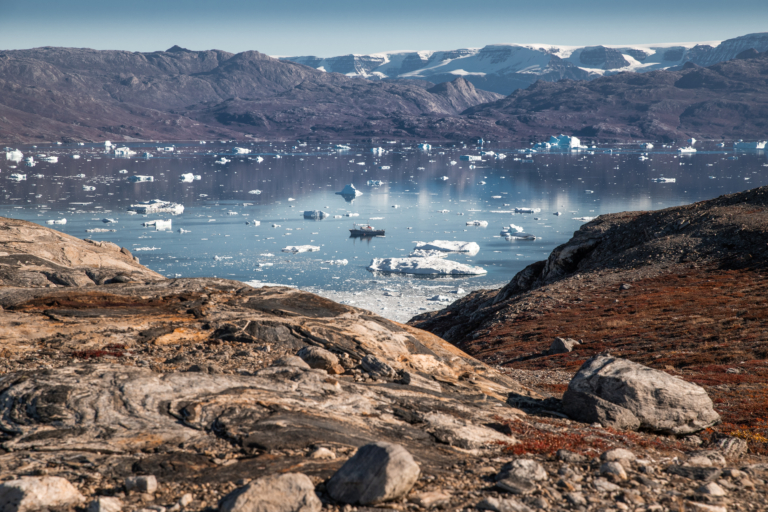
10 sounds of the Arctic you will never forget
Traveling in the polar regions means learning to slow down and pay attention to details we often overlook in everyday life. In these places, where the absence of…
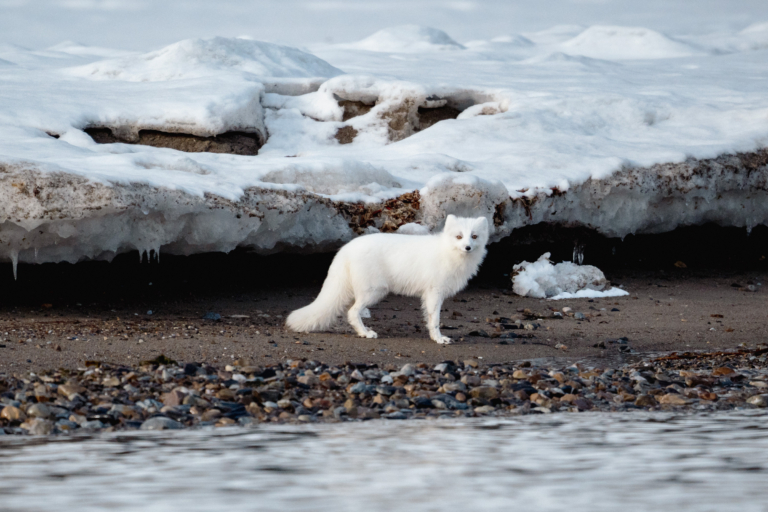
Arctic fox: how does it survive in one of the most hostile environments on the planet?
In the white vastness of the Arctic, a discreet silhouette sometimes crosses the snow-covered tundra. Fast, agile and perfectly camouflaged, the Arctic fox (Vulpes lagopus) is one of…