Are there polar bears in Norway?
It is a question we hear often: can you see polar bears in Norway? Yes, but not on the mainland. You have to go much farther north, to Svalbard, the Norwegian archipelago where the polar bear is at home.
Not on the mainland, but in Svalbard
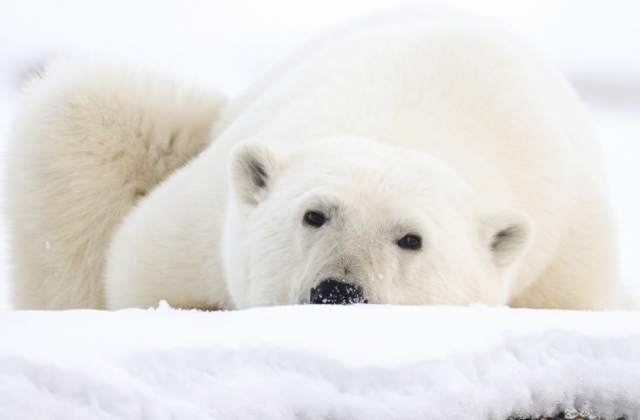
Contrary to popular belief, polar bears do not live in the wild on mainland Norway, not even in its northernmost regions, above the Arctic Circle. To hope to meet the lord of the Arctic, you have to head much farther north, to Svalbard.
Halfway between mainland Norway and the North Pole, this Norwegian archipelago is one of the polar bear’s iconic territories. Between sea ice, glaciers and wild coasts, it finds a natural habitat suited to hunting, especially seals, which make up most of its diet. Spitsbergen, often confused with Svalbard, is in fact its largest island. To better understand the distinction, read our article What is the difference between Svalbard and Spitsbergen?
Where to see them?
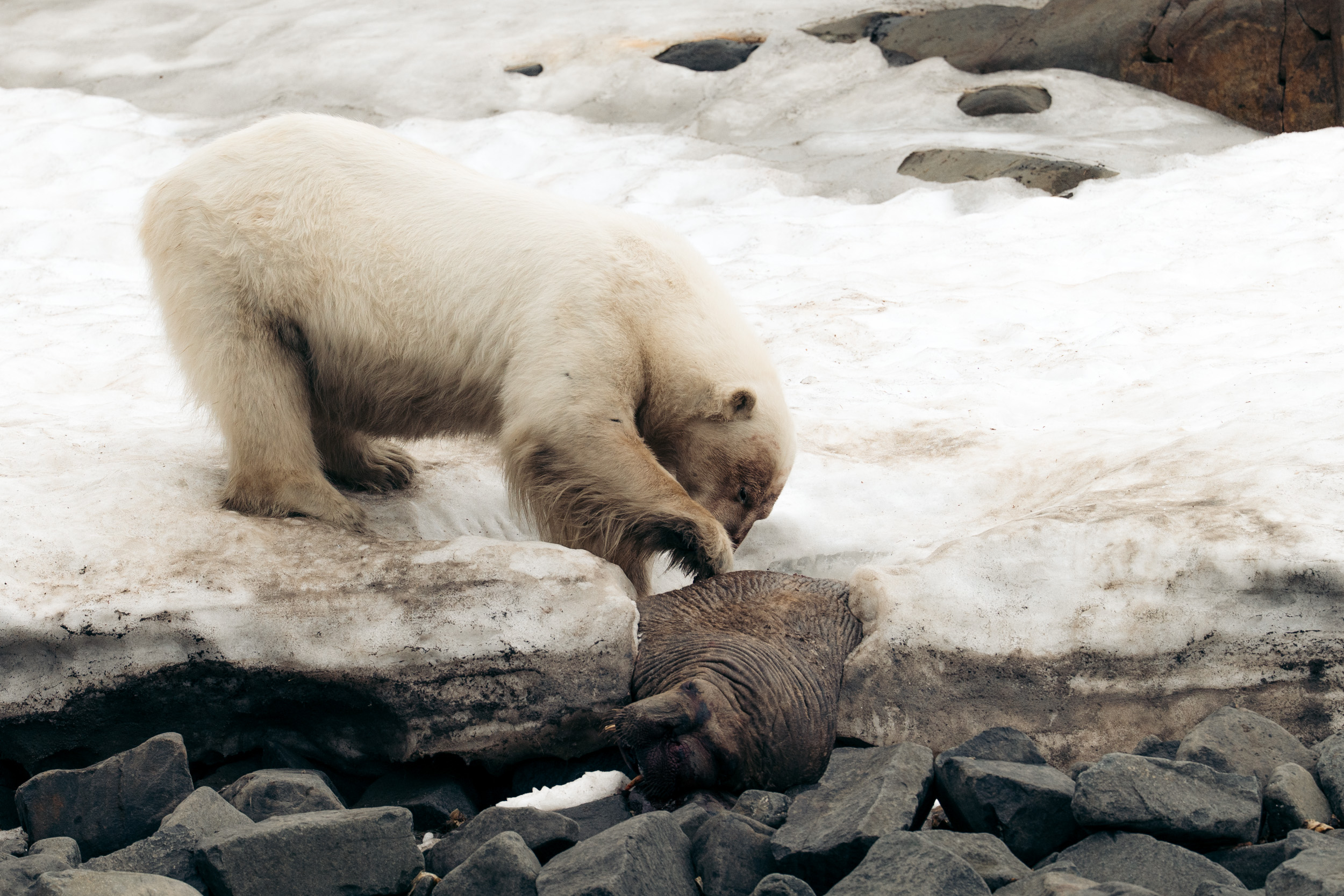
The polar bear is a predator closely tied to the sea ice. It feeds mainly on seals, especially ringed and bearded seals, whose blubber provides the energy reserves it needs to survive the extreme conditions of the Arctic. An outstanding hunter, it can wait for hours by a breathing hole for a seal to surface, or stealthily approach one resting on the ice.
In spring, when sea ice is still present along the coasts and inside some of Svalbard’s fjords, polar bears can be seen near the shore. In summer and fall, they stay on land, waiting for the ice to return.
When to go?
Spring, especially April and May, is a particularly good time to see polar bears in Svalbard. The sea ice, still widely present in some fjords and along the coasts, gives the bears good hunting conditions. This is also when females emerge from their dens with the cubs born in the depths of winter. Watching their first steps on the sea ice is one of the most moving encounters a polar expedition can offer.
Our voyages Polar escape to Spitsbergen, in early April, and Polar spring in Spitsbergen, in April and May, take place at the heart of this season: two invitations to explore an Arctic still deep in winter, between icy expanses, pristine landscapes and nature gradually awakening under the light of the midnight sun. To better understand how polar bears move through the seasons and when you are most likely to see one, read our guide Polar bears in Spitsbergen: where and when to see them.
Always at a safe distance
Seeing a polar bear in its natural habitat is a privilege that comes with rules. Since January 1, 2025, Svalbard regulations require a minimum distance of 300 meters between people and polar bears, extended to 500 meters from March 1 to June 30, a particularly sensitive period for the species. These measures aim to keep the animals undisturbed and to limit any disruption to their natural behavior.
These distances take nothing away from the magic of the encounter. A good pair of binoculars (8×42 or 10×42) lets you appreciate every detail of the animal and observe its behavior, while a 300 to 600 mm telephoto lens offers great photo opportunities. Watching a bear move freely across its vast territory, without disturbing it, is at the heart of the philosophy of our polar expeditions.
And contrary to a widespread belief, polar bears do not truly hibernate. Only pregnant females retreat to a den in winter to give birth to their cubs. To understand why, read our article The polar bear does not hibernate.
And on mainland Norway?
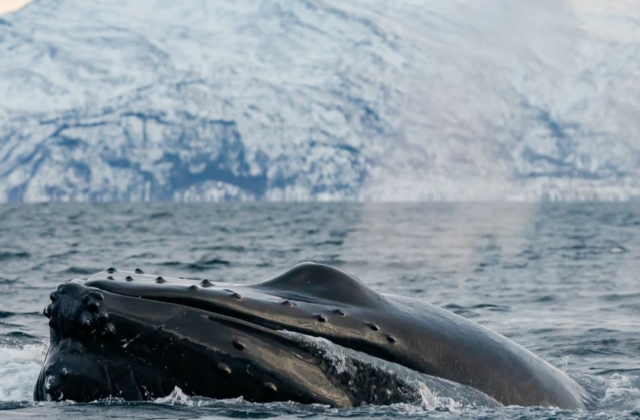
While polar bears are absent from mainland Norway, the fjords of the north of the country are the setting for other, equally fascinating wildlife encounters. Every winter, huge schools of herring draw orcas and humpback whales into the waters around Skjervøy, north of Tromsø. The whales display impressive hunting techniques, offering an exceptional show amid snowy landscapes.
Add to these encounters the magic of the northern lights, which light up the long Arctic nights. Between whale watching, the unique light of the polar night and exploring the fjords, Norway offers an unforgettable winter experience. To plan your next expedition, read our article Orca watching in Norway: where and when? and discover all our voyages in Norway.
WOULD YOU LIKE TO SEE POLAR BEARS?
Sail to Spitsbergen
aboard Polarfront
Twelve guests, a seasoned crew and passionate guides: the upcoming departures.
10 days / 9 nights Spitsbergen · BanquisePolar spring in Spitsbergen 12 of 12 spots from€12,490 25Apr2027 returning May 4 Spring
10 days / 9 nights Spitsbergen · BanquisePolar spring in Spitsbergen Last spot from€12,490 23May2027 returning Jun 1 Spring
10 days / 9 nights Spitsbergen · BanquisePolar spring in Spitsbergen 12 of 12 spots from€12,490 4Aug2027 returning Aug 13 Summer
10 days / 9 nights Spitsbergen · WildlifeMidnight sun in Svalbard 11 of 12 spots from€12,620 19Sep2027 returning Sep 26 Fall
8 days / 7 nights Spitsbergen · Northern lightsAutumn escape to Svalbard 12 of 12 spots from€9,720 26Sep2027 returning Oct 4 Fall
9 days / 8 nights Spitsbergen · Northern lightsAutumn lights in Svalbard 10 of 12 spots from€11,110 4Oct2027 returning Oct 12 Fall
9 days / 8 nights Spitsbergen · Northern lightsAutumn lights in Svalbard 12 of 12 spots from€11,110 4Apr2028 returning Apr 11 Spring
8 days / 7 nights Spitsbergen · BanquisePolar escape to Spitsbergen 12 of 12 spots from€8,350 11Apr2028 returning Apr 18 Spring
8 days / 7 nights Spitsbergen · BanquisePolar escape to Spitsbergen 12 of 12 spots from€8,350 18Apr2028 returning Apr 27 Spring
10 days / 9 nights Spitsbergen · BanquisePolar spring in Spitsbergen 12 of 12 spots from€12,620
No upcoming departures for this selection.
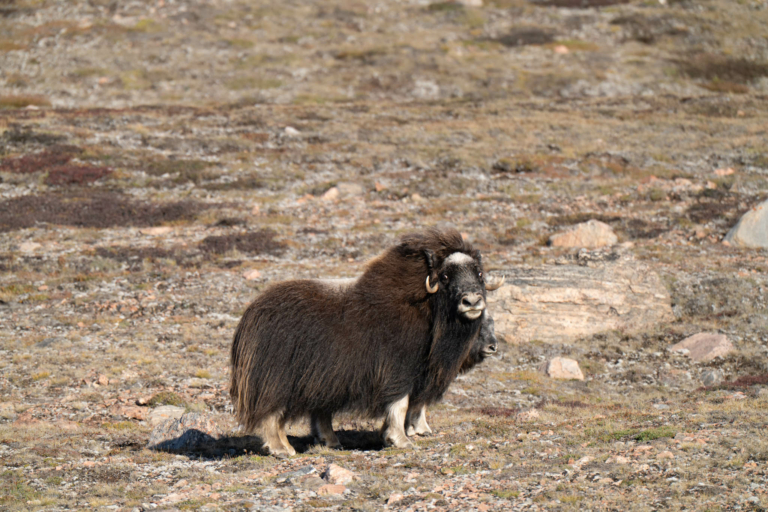
Northeast Greenland National Park, the largest in the world
Northeast Greenland National Park is the largest in the world. No roads, not a single village for thousands of kilometers: this land of ice and tundra can only…
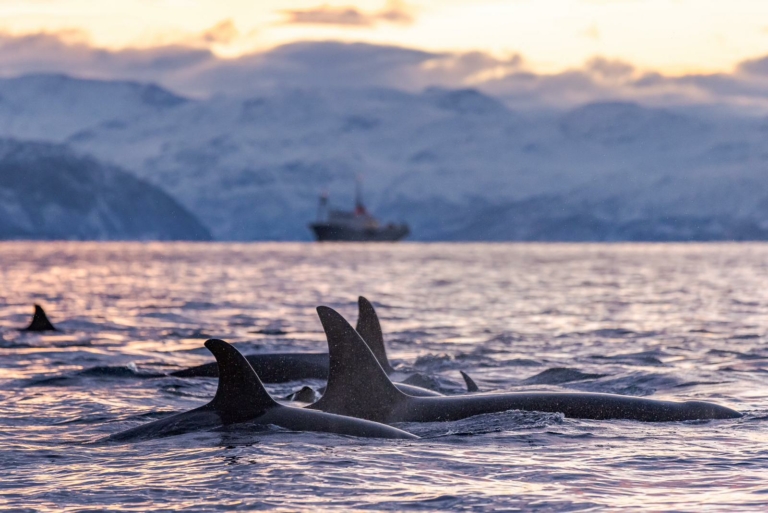
Orca watching in Norway: where and when?
Every winter, orcas return to the fjords of northern Norway, following the great schools of herring. Where to see them, when to go and what an encounter is…
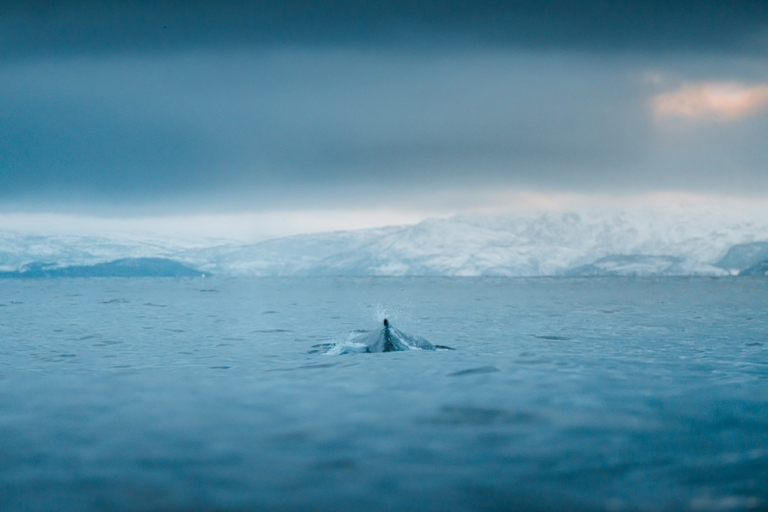
Beneath the surface of East Greenland, the great whale gathering
A blow rises in the distance, between two icebergs. A dark back breaks the surface, glides along, then disappears. In East Greenland, an encounter with a whale makes…