What is the difference between Svalbard and Spitsbergen?
Svalbard is the name of the whole archipelago, while Spitsbergen is just one of its islands.
The two names are often used interchangeably, but they do not mean quite the same thing.
Svalbard is the name of the archipelago as a whole, while Spitsbergen (sometimes spelled Spitzbergen, Spitsbergen in Norwegian) is the largest island in the archipelago.
In practice:
- Svalbard refers to all the islands under Norwegian sovereignty beyond the 74th parallel north. The archipelago includes Spitsbergen, Nordaustlandet, Edgeøya, Barentsøya and Prins Karls Forland, along with a multitude of smaller islands and islets scattered across the Arctic Ocean.
- Spitsbergen is a single island: the largest and most populated in the archipelago. It covers more than 60% of Svalbard’s total land area and is home to the main settlements, including Longyearbyen, the administrative capital.
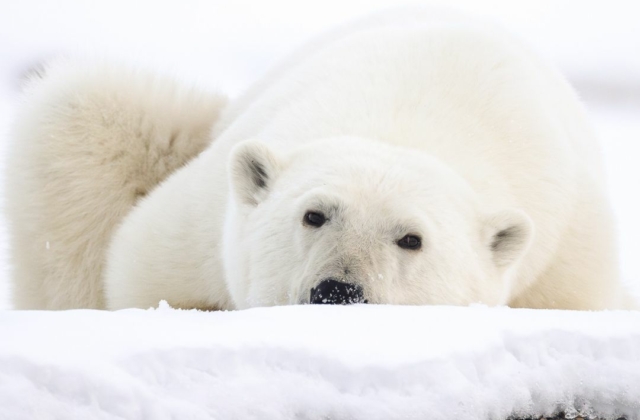
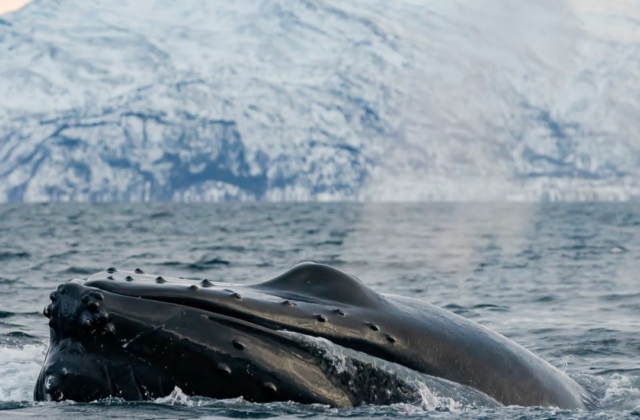
Spitsbergen is also where most expedition voyages take place. Here you will discover spectacular fjords, sharp-peaked mountains, immense glaciers plunging into the sea, tundra ablaze with color in summer, and iconic Arctic wildlife: polar bears, walruses, reindeer, Arctic foxes and countless seabirds.
The other islands in the archipelago, by contrast, have almost no permanent human presence. Nordaustlandet is dominated by vast ice caps, Edgeøya is known for its rich Arctic wildlife and wide expanses of tundra, and the many more remote islands offer landscapes of raw beauty where ice, cliffs and ocean reign supreme. These wild lands can mostly be reached on expedition cruises, when sailing conditions allow.
Why the confusion?
The confusion has historical roots.
In 1596, Dutch explorer Willem Barentsz discovered the archipelago while searching for a sea route to Asia. Struck by the jagged peaks towering over the landscape, he named the largest island “Spitsbergen,” a Dutch word meaning “pointed mountains.”
For more than three centuries, the name Spitsbergen (or Spitzbergen) was used for the entire archipelago, on maps and in explorers’ accounts alike.
It was not until 1925, when Norway officially took sovereignty over the archipelago under the Svalbard Treaty, that the name Svalbard became the official name of the whole archipelago. The word comes from Old Norse, means “cold coasts” or “icy shores,” and already appears in Icelandic texts from the 12th century.
Today, the two terms still coexist in everyday language. Yet the distinction is simple: Spitsbergen is an island; Svalbard is an archipelago. Every traveler who goes to Spitsbergen is therefore traveling in Svalbard, but there is more to Svalbard than Spitsbergen alone.
Beyond the names, what really comes into view is an exceptional territory: a world of ice, silence and light where nature still sets the pace. Whether it is the jagged mountains of Spitsbergen, the immense glaciers of Nordaustlandet or the wild coasts of Edgeøya, each island reveals a different side of the Arctic, making Svalbard one of the last great lands of exploration on the planet.Sail to Spitsbergen
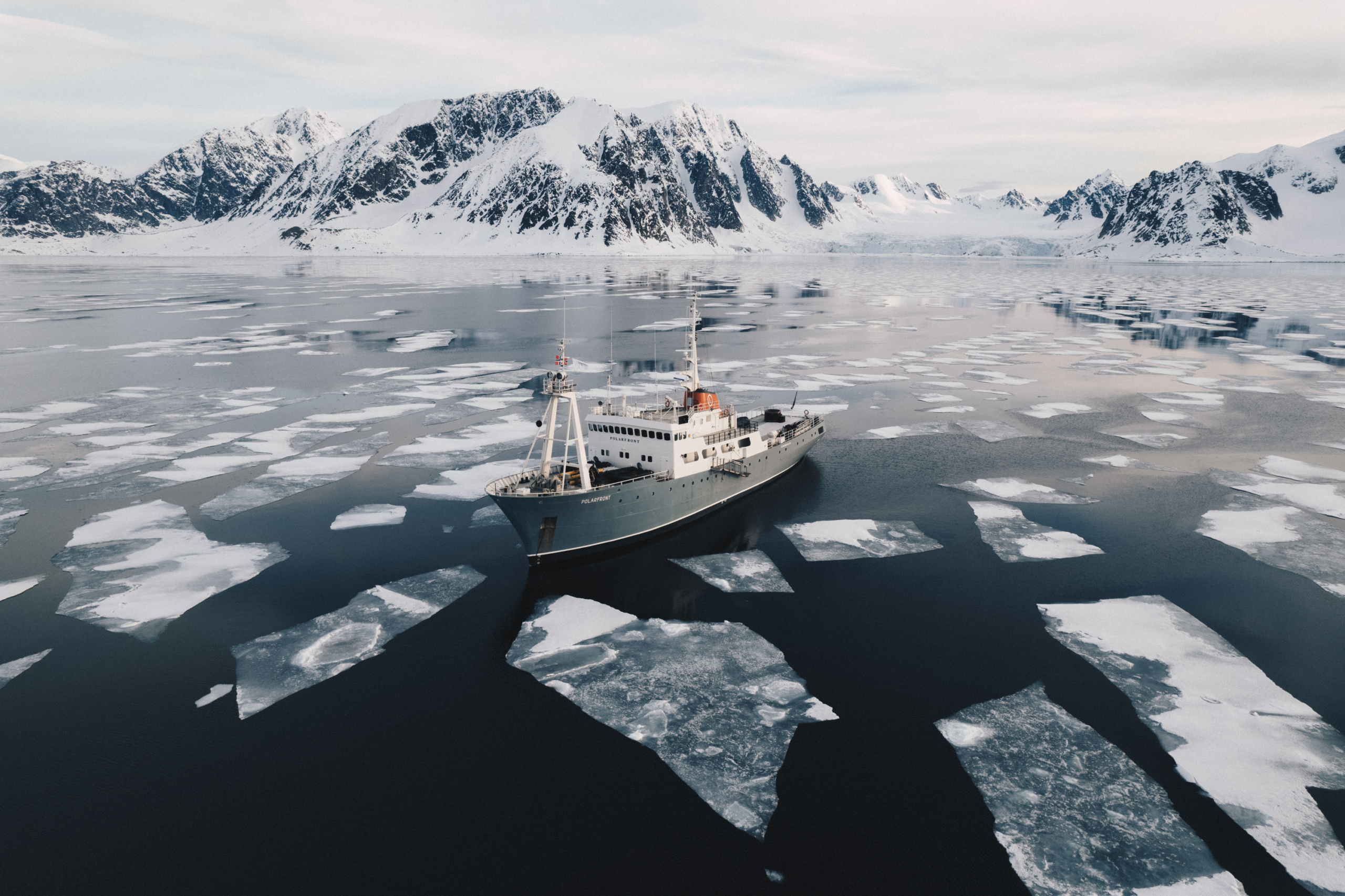
aboard Polarfront
Twelve guests, a seasoned crew and passionate guides: the upcoming departures.
10 days / 9 nights Spitsbergen · WildlifePolar spring in Spitsbergen 12 of 12 spots from€12,490 25Apr2027 returning May 4 Spring
10 days / 9 nights Spitsbergen · WildlifePolar spring in Spitsbergen 5 of 12 spots from€12,490 4Aug2027 returning Aug 13 Summer
10 days / 9 nights Spitsbergen · WildlifeMidnight sun in Svalbard 11 of 12 spots from€12,620 19Sep2027 returning Sep 26 Fall
8 days / 7 nights Spitsbergen · Northern lightsAutumn escape to Svalbard 12 of 12 spots from€9,720 26Sep2027 returning Oct 4 Fall
9 days / 8 nights Spitsbergen · Northern lightsAutumn lights in Svalbard 10 of 12 spots from€11,110 4Oct2027 returning Oct 12 Fall
9 days / 8 nights Spitsbergen · Northern lightsAutumn lights in Svalbard 12 of 12 spots from€11,110
No upcoming departures for this selection.
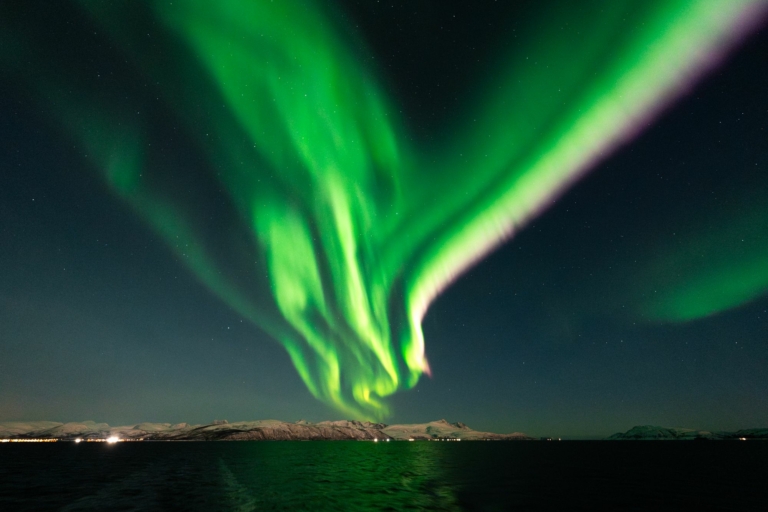
Northern lights in Norway: when and where to go
Northern Norway is one of the best places in the world to see the northern lights. You still need the right season, the right place and a clear…
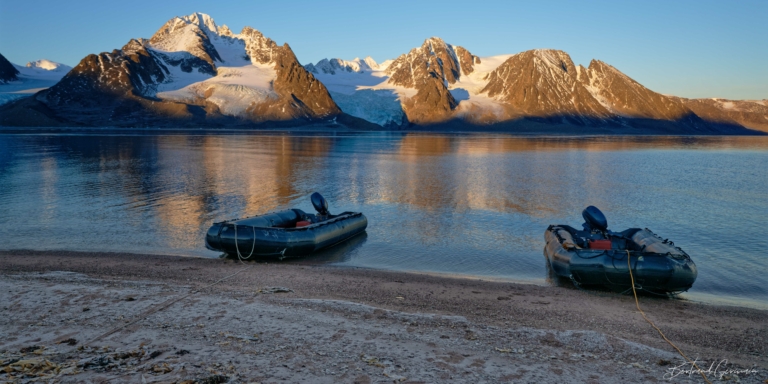
Svalbard: what the 2025 regulations change
Since January 1, 2025, Norway has enforced some of the strictest protection rules in the Arctic in Svalbard: no more large ships in protected areas, supervised landings, mandatory…
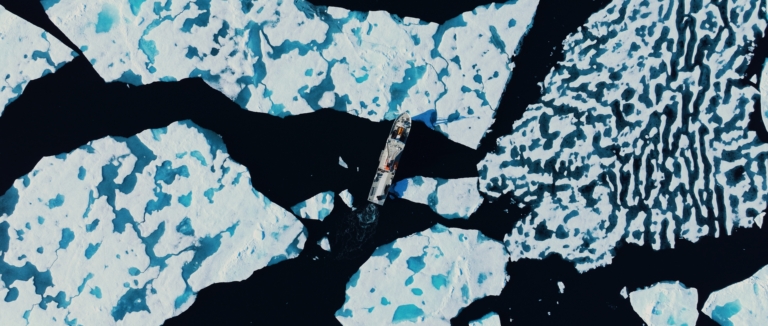
Can you go to the North Pole by ship?
It is a question we are often asked: can you go to the North Pole by ship? The honest answer comes in two parts: the Pole itself is…