The Lofoten Islands in winter: what to see on a voyage
In winter, the Lofoten Islands offer a spectacle of their own: mountains plunging into the sea, fishing villages under snow, low-angled light and, at night, the northern lights. Here is what not to miss, and why the archipelago is best discovered by sea.
An archipelago between mountains and sea
Above the Arctic Circle, the Lofoten Islands form a spectacular chain of jagged peaks rising straight out of the sea. In winter, snow highlights every ridge and the glow of the polar night bathes the landscapes in a soft, unique light. After dark, the northern lights sometimes fill the sky with their dancing veils.
From the port of Leknes, in the heart of the archipelago, we set out to discover these iconic Norwegian landscapes. From village to village, we discover traditional fishermen’s cabins on stilts, small harbors nestled at the foot of the mountains, white-sand beaches and fjords with crystal-clear water: landscapes where the wild beauty of Arctic nature meets the authenticity of Norway’s maritime traditions. To uncover the secrets of this fascinating archipelago, read our article 10 fun facts about the Lofoten Islands.
Nusfjord and Reine
Nestled at the end of a fjord, sheltered by imposing mountains, Nusfjord is one of the best-preserved fishing villages in Norway. Its traditional wooden cabins, the rorbuer, its old fishing buildings and its little harbor bear witness to centuries of history closely tied to cod fishing. A stroll through this timeless village takes you to the heart of the archipelago’s maritime traditions.
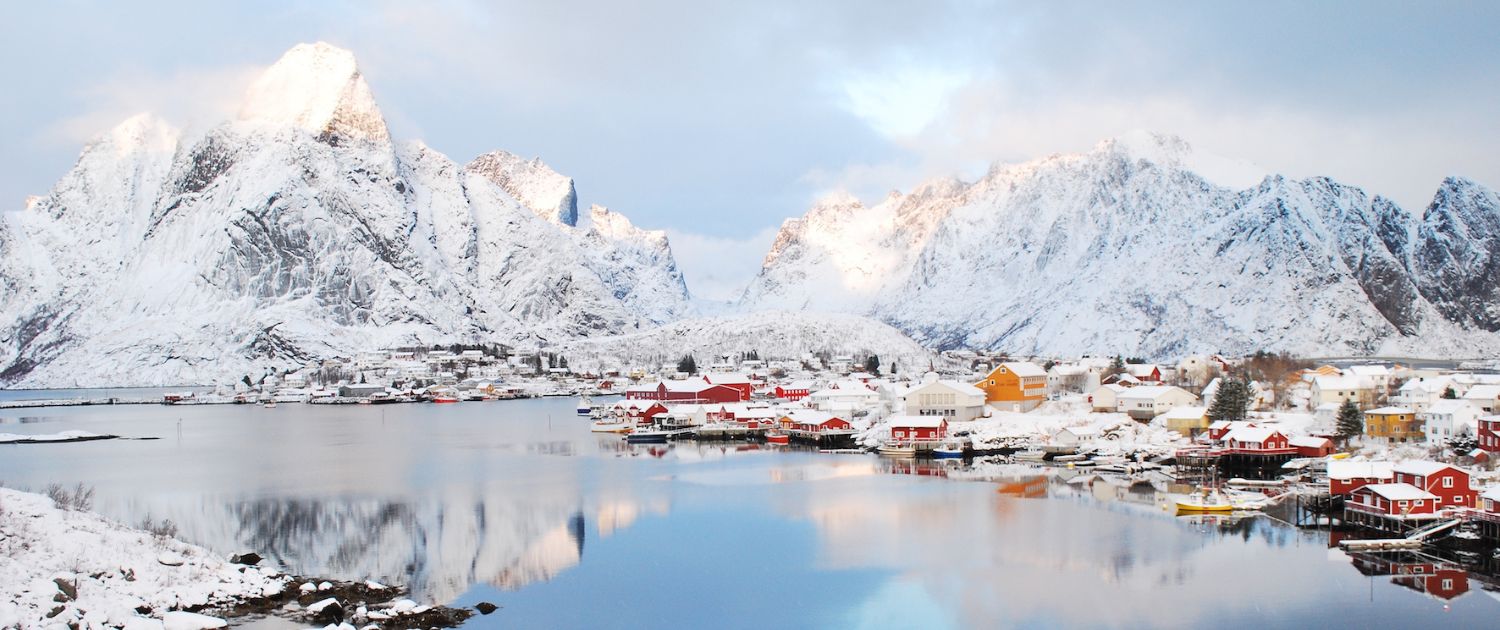
Farther west, Reine offers what is probably one of the most iconic views of the Lofoten Islands. Its red houses, scattered over small islets at the foot of towering mountains, are reflected in the waters of the fjord. In winter, the contrast between the colorful houses, the snowy peaks and the shifting hues of the Arctic light gives this landscape a very special beauty.
Henningsvær, the Venice of Lofoten
Spread over several small islets linked by bridges, at the foot of imposing mountains, Henningsvær owes its nickname, the “Venice of Lofoten,” to its unusual layout. One of the most picturesque fishing villages in the archipelago, it has kept its authenticity while developing a thriving artistic and cultural life.
Wandering its lanes, we discover its lively harbor, its colorful wooden houses and its traditional cod-drying racks, as well as its art galleries and artists’ studios. Between maritime traditions and contemporary creativity, Henningsvær reveals another side of Lofoten, where island life carries on amid spectacular scenery.
Arctic beaches and history
On the north coast of Lofoten, the landscape changes. Long white-sand beaches, framed by snowy mountains, open onto the vastness of the Norwegian Sea. Battered by the winds and waves of the open ocean, these wild shores offer striking views, enhanced by the winter light of the Arctic.
In Eggum, a small, isolated village between sea and mountain, the landscapes meet history. The remains of a former German radar station bear witness to the occupation of Norway during the Second World War and recall the archipelago’s strategic position during the conflict. A stop where historical heritage and wild beauty come together.
The Trollfjord and Skrova
Between the Lofoten and Vesterålen archipelagos lies the spectacular Trollfjord, one of the narrowest fjords in Norway. Two kilometers long and barely a hundred meters wide at its entrance, it winds between imposing rock walls that drop almost vertically into its deep waters. We explore this grandiose setting by Zodiac or polar pedal boat, close to the cliffs, to take in the full scale of these dizzying walls. In winter, snow and frozen waterfalls make the place even more spectacular.
Farther south, the island of Skrova, nicknamed “whale island” because of its whaling past, reveals a landscape full of contrasts. Its white-sand beaches lapped by turquoise water, its small fishing village and its magnificent views of the snowy peaks of Lofoten make it a charming stop. Far from the bustle, this little island invites contemplation and offers a glimpse of Norwegian island life.
When to go?
Two periods, two atmospheres, two ways to discover the Lofoten Islands aboard Polarfront.
In December, in the heart of the polar night, our Winter magic in Norway voyage combines the snowy landscapes of Lofoten with orca and humpback whale watching in the fjords of Skjervøy. Between the bluish hues of the polar night and the northern lights in the sky, Norway reveals all the magic of its Arctic winter.
In late February, as the days grow longer and the light gradually returns, our Norwegian gems in spring voyage explores the Norwegian coast from Bodø to Tromsø, by way of the mighty Svartisen glacier and the Lofoten Islands. An ideal time to enjoy landscapes still deep in winter, growing daylight and nights dark enough to hope for the northern lights.
To choose the period that suits you best, see our guide When to go to Arctic Norway.
WOULD YOU LIKE TO DISCOVER THE LOFOTEN ISLANDS?
Sail to Norway
aboard Polarfront
Twelve guests, a seasoned crew and passionate guides: the upcoming departures.
8 days / 7 nights Norway · CetaceansPhoto voyage in Norway Full — waitlist from€5,170 20Dec2026 returning Dec 28 Winter
9 days / 8 nights Norway · Northern lightsWinter magic in Norway 5 of 12 spots Promo from€2,975 28Dec2026 returning Jan 5 Winter
9 days / 8 nights Norway · Northern lightsWinter magic in Norway Only 3 spots left Promo from€2,975 28Feb2027 returning Mar 7 Winter
8 days / 7 nights Norway · Northern lightsNorwegian gems in spring 5 of 12 spots from€5,280 7Mar2027 returning Mar 14 Spring
8 days / 7 nights Norway · Ski touringSki touring in the Lyngen Alps Private charter, on request private charterOn request 14Mar2027 returning Mar 21 Spring
8 days / 7 nights Norway · Northern lightsHeading for the North Cape 12 of 12 spots from€5,280 14Mar2027 returning Mar 21 Spring
8 days / 7 nights Norway · Ski touringSki touring in the Lyngen Alps Private charter, on request private charterOn request 10Dec2027 returning Dec 18 Winter
9 days / 8 nights Norway · Northern lightsWinter magic in Norway 12 of 12 spots from€6,040 18Dec2027 returning Dec 26 Winter
9 days / 8 nights Norway · Northern lightsWinter magic in Norway 12 of 12 spots from€6,220 26Dec2027 returning Jan 3 Winter
9 days / 8 nights Norway · Northern lightsWinter magic in Norway 12 of 12 spots from€6,220
No upcoming departures for this selection.
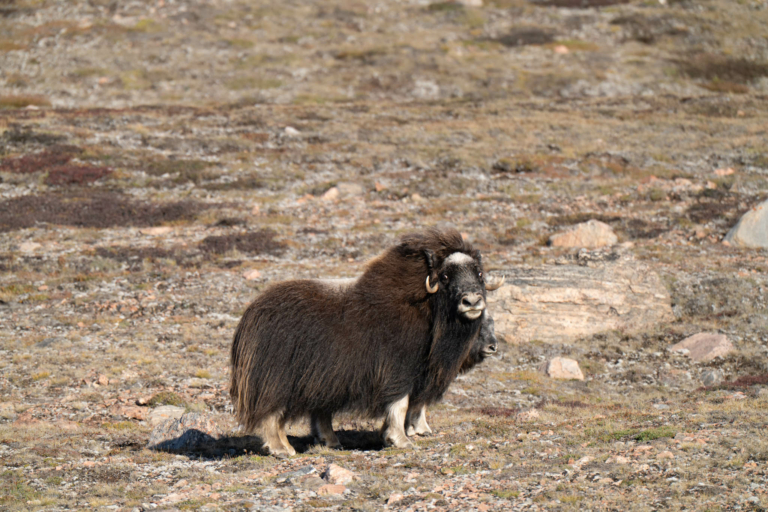
Northeast Greenland National Park, the largest in the world
Northeast Greenland National Park is the largest in the world. No roads, not a single village for thousands of kilometers: this land of ice and tundra can only…
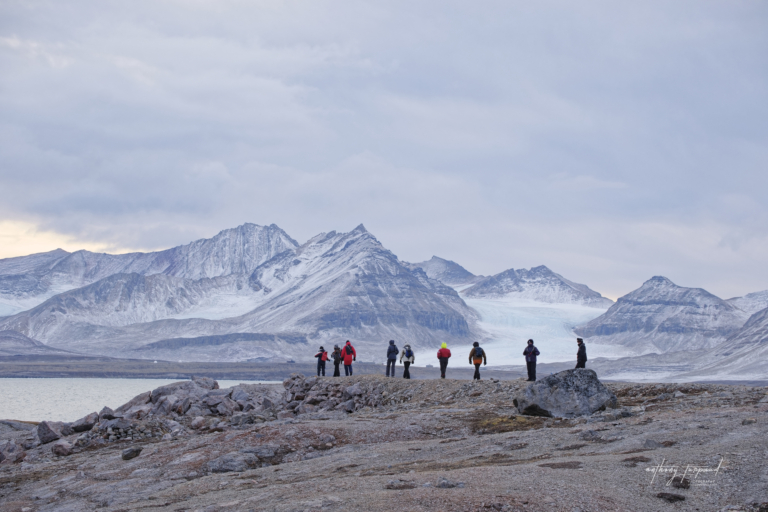
A guided expedition to Spitsbergen, day by day
In Spitsbergen, the essentials are discovered by sea. From boarding in Longyearbyen to the last morning, here is how a guided voyage aboard Polarfront unfolds, day by day.
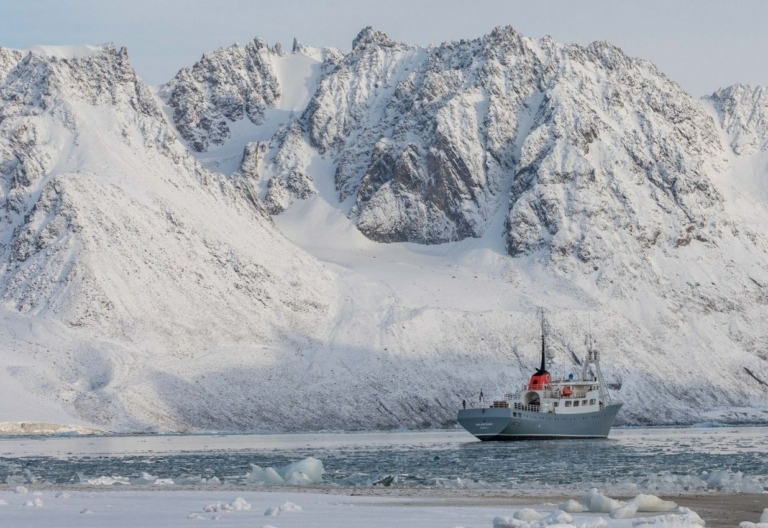
Magdalenefjorden, in northwest Spitsbergen
In northwest Spitsbergen, Magdalenefjorden is one of the most spectacular fjords in the archipelago: alpine peaks, a great glacier at the head of the fjord and, on its…