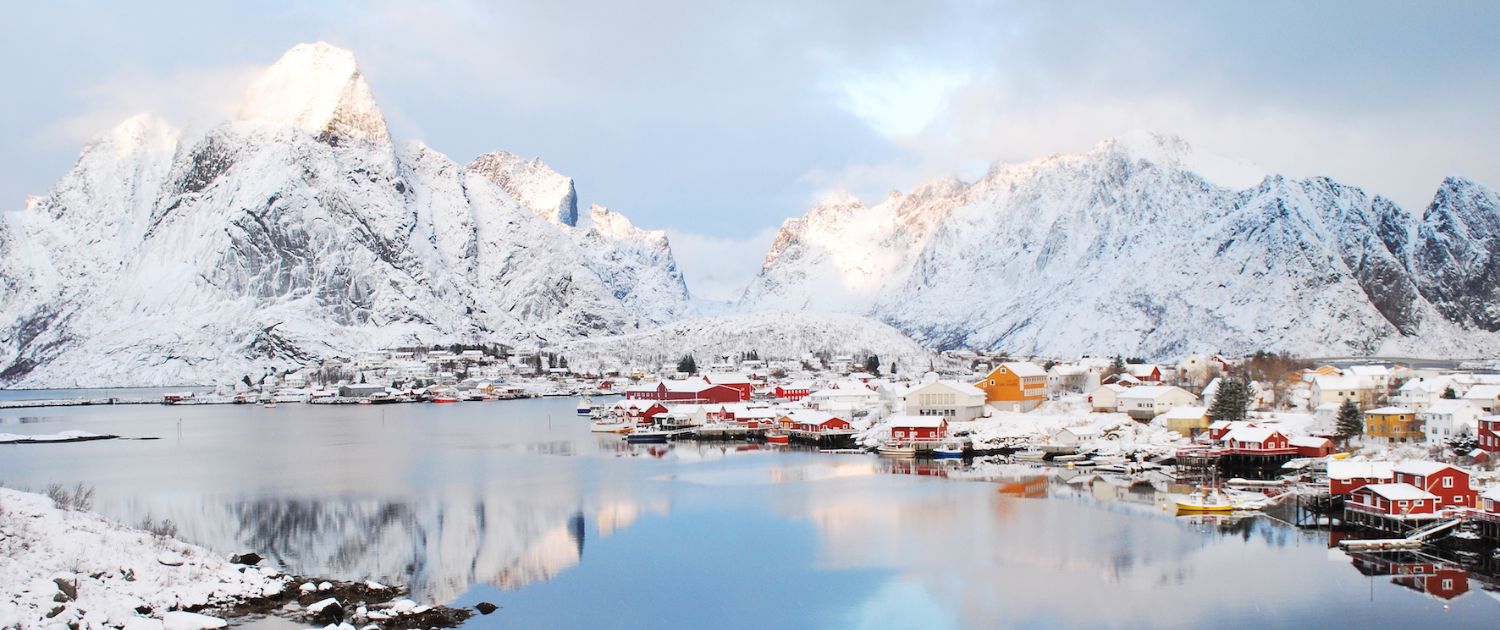
10 fun facts about the Lofoten Islands
Wild fjords, colorful cabins, crystal-clear waters and jagged peaks: the Lofoten archipelago is famous for its breathtaking views and picturesque villages. But how much do you really know about this dream destination?
We’ve put together a list of 10 things you may not know about Norway’s best-known islands.
1. The islands were named after a lynx…After a lynx’s foot, to be precise. The island of Vestvågøy, the heart of the archipelago, was originally called Lófót because its shape looked like a lynx’s foot (“ló” means “lynx” and “fót” comes from the word for “foot”). The name later spread to the whole region, which is why the islands are now called Lofoten.
2. The Lofoten Islands enjoy a microclimateThe Lofoten Islands lie inside the Arctic Circle, so you would expect the climate to be bitterly cold. And while it is certainly not warm, the climate in Lofoten is much milder than it ought to be.
The Lofoten Islands hold the record for the highest temperatures ever measured at such a high latitude. This is thanks to the Gulf Stream, a current that brings warmer water and keeps the sea around the archipelago from freezing over completely in winter.
3. You can surf in Lofoten
Remember that warmer climate we mentioned earlier? It is also why the Lofoten Islands are home to some of the best beaches in Norway.
Unstad beach in particular draws surfers all year round with its big waves and strong winds.
4. It’s all about cod
The warmer climate isn’t just good for surfing: it is also ideal for cod fishing, not least because cod migrate here in winter for the warmer water. This tradition goes back a thousand years and allowed Norwegians to build communities and villages, slowly creating a stable economy around fishing and the cod trade. It continues to this day, as dried cod from Lofoten is exported all over Europe.
5. You may see fish hanging over your head
When you visit the Lofoten Islands, you will often find fish hanging above your head. This is the famous stockfish, in other words cod, dried by the wind on triangular wooden racks near the waterfront.
This way of drying fish is very old. The traditional racks are tall enough for you to walk underneath.
6. In Lofoten, you’ll find real Vikings
As we mentioned earlier, the Lofoten Islands have been inhabited for more than a thousand years… by Vikings! Lofoten has very close ties to the Viking Age, with major archaeological finds in the area.
In the small village of Borg, near Bøstad, for example, archaeologists discovered the largest Viking longhouse ever found, which has since been reconstructed as the Lofotr Viking Museum.
7. The Lofoten Islands, movie stars
No, you’re not dreaming! Many of the landscapes in Disney’s hit animated film Frozen were inspired by the little fishing villages with their colorful houses and the jagged peaks of the Lofoten Islands.
But Disney isn’t the only one to have fallen for Lofoten. Oscar winner Matt Damon also shot a few key scenes of his film Downsizing in the Lofoten Islands.
8. Lofoten is home to a coral reef
Few people know it, but the Lofoten Islands are home to the largest deep-water coral reef in the world: the Røst Reef, west of the island of Røst.
9. Lofoten, a sustainable destination
Lofoten is working to become a certified sustainable destination. This means steps are being taken to preserve the breathtaking beauty of the place and its culture.
With the Røst Reef we mentioned earlier in mind, protecting the region’s nature and biodiversity matters all the more.
10. You can see the northern lights and the midnight sun
The Lofoten Islands lie beneath a ring of light that circles the Earth’s geomagnetic poles, known as the “auroral oval.” This ring offers the best possible chance of spotting the elusive northern lights during the polar night.
In summer, you can experience the dazzling midnight sun.
Sail to Norway
aboard Polarfront
Twelve guests, a seasoned crew and passionate guides: the upcoming departures.
8 days / 7 nights Norway · Northern lightsPhoto voyage in Norway 11 of 12 spots Promo from€2,585 20Dec2026 returning Dec 28 Winter
9 days / 8 nights Norway · Northern lightsWinter magic in Norway 7 of 12 spots Promo from€2,975 28Dec2026 returning Jan 5 Winter
9 days / 8 nights Norway · Northern lightsWinter magic in Norway Only 3 spots left from€5,950 28Feb2027 returning Mar 7 Winter
8 days / 7 nights Norway · Northern lightsNorwegian gems in spring 8 of 12 spots from€5,280 10Dec2027 returning Dec 18 Winter
9 days / 8 nights Norway · Northern lightsWinter magic in Norway 12 of 12 spots from€6,040 18Dec2027 returning Dec 26 Winter
9 days / 8 nights Norway · Northern lightsWinter magic in Norway 12 of 12 spots from€6,220 26Dec2027 returning Jan 3 Winter
9 days / 8 nights Norway · Northern lightsWinter magic in Norway 12 of 12 spots from€6,220
No upcoming departures for this selection.
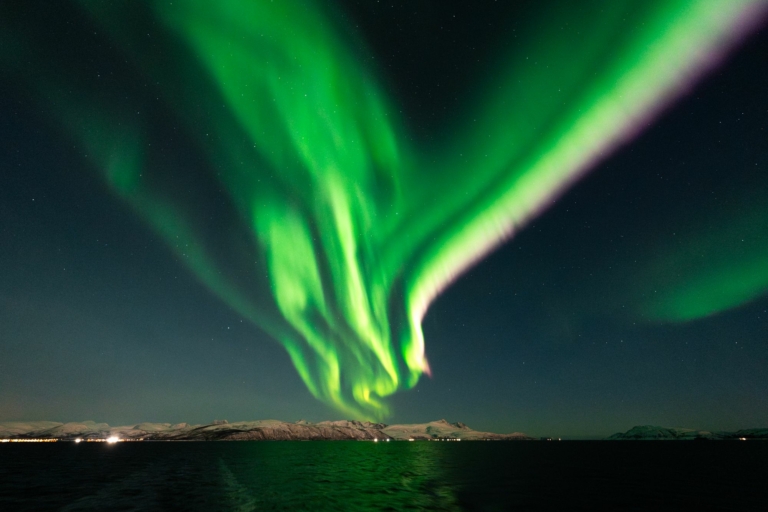
Northern lights in Norway: when and where to go
Northern Norway is one of the best places in the world to see the northern lights. You still need the right season, the right place and a clear…
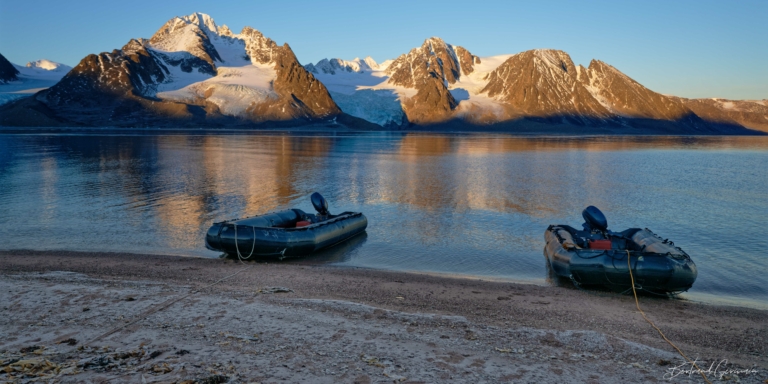
Svalbard: what the 2025 regulations change
Since January 1, 2025, Norway has enforced some of the strictest protection rules in the Arctic in Svalbard: no more large ships in protected areas, supervised landings, mandatory…
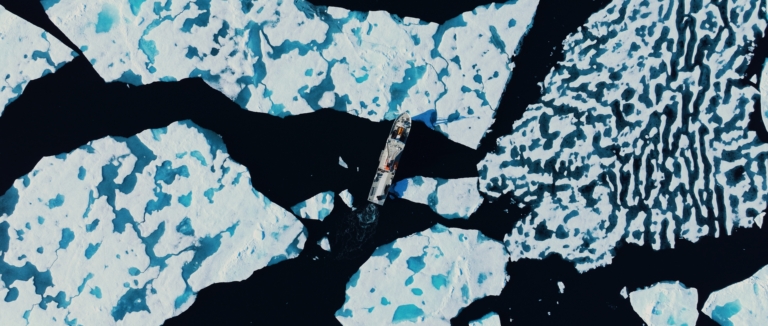
Can you go to the North Pole by ship?
It is a question we are often asked: can you go to the North Pole by ship? The honest answer comes in two parts: the Pole itself is…