When to go to Spitsbergen: a season-by-season guide
Spring, summer or fall: in Spitsbergen, every season reveals a different Arctic. Sea ice and snow-covered landscapes in April and May, the midnight sun in summer, the first northern lights in the fall: here is how to choose yours, with tips from our crew.
Spitsbergen at a glance
Spitsbergen is the main island of the Svalbard archipelago, which stretches between 74° and 81° north, between mainland Norway and the North Pole. Our Spitsbergen voyages start and end in Longyearbyen, its capital; only the expedition to Greenland ends in Constable Point.
This far north, light sets the pace: from late April to late August, the sun never sets at all; from late October to mid-February, it is the polar night. Our cruises follow this calendar, from spring to fall.
Spring (April and May): sea ice and a snow-covered Arctic
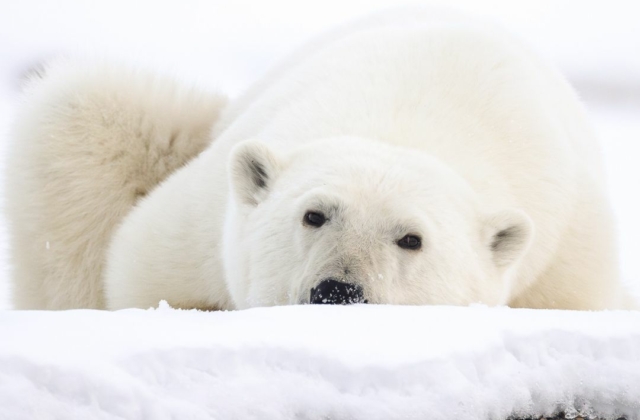
This is the season of the sea ice. It still surrounds much of the archipelago, and it is the favorite hunting ground of polar bears. The landscapes are entirely covered in snow, and the light barely fades: the midnight sun returns in late April.
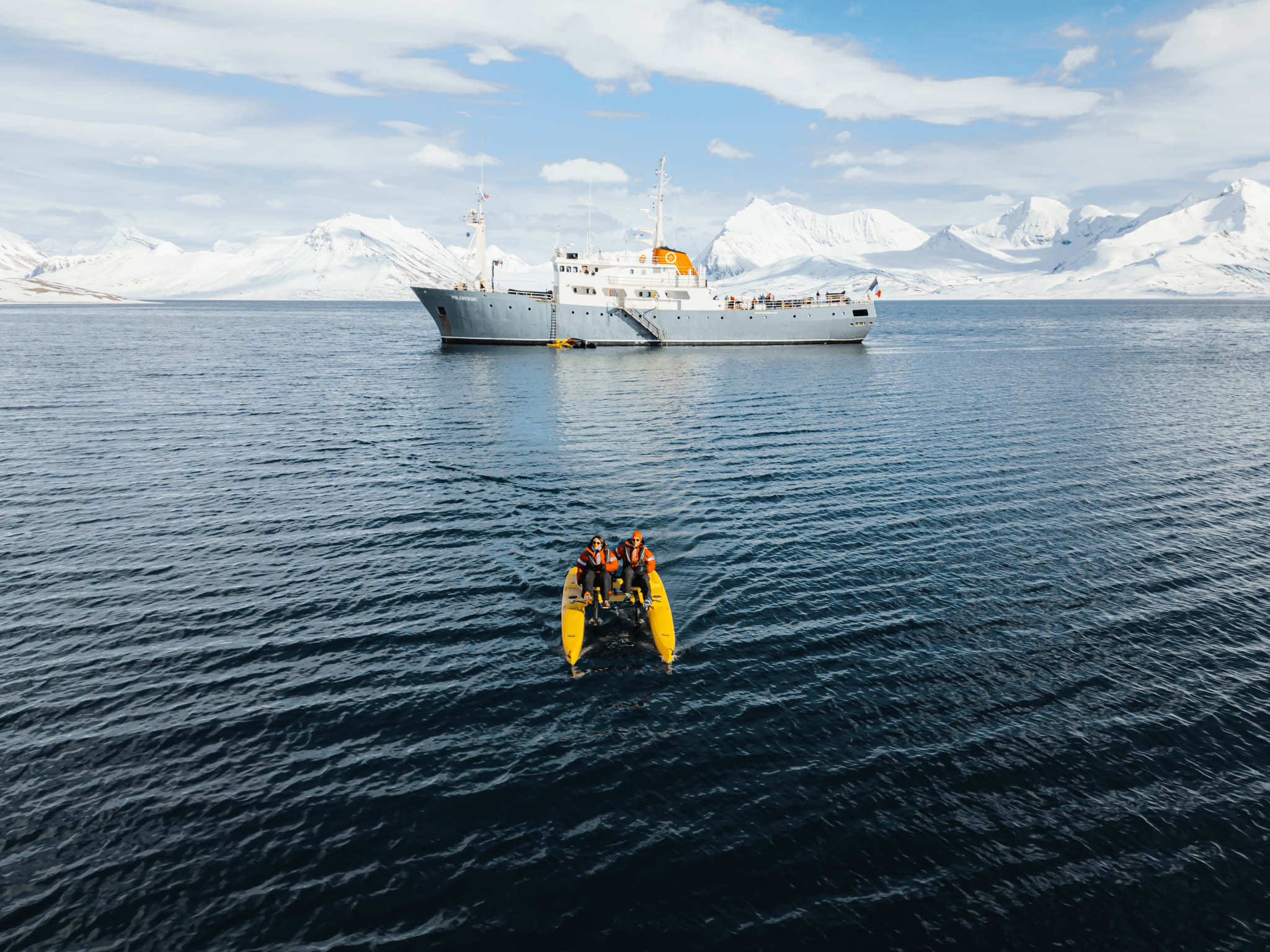
It is cold: around −5 °C on average, sometimes below −10 °C. Pack warm layers; on board, we provide everyone with an extreme-cold suit for Zodiac outings. On the program: snowshoe hikes, Zodiac landings and sailing to the edge of the sea ice.
Our voyage: Polar spring in Spitsbergen, 10 days along the west coast, from Prins Karls Forland, where walruses haul out, to Magdalenefjord and all the way to the sea ice.
Summer (August): the midnight sun and the grand tour of the archipelago
Summer is when the archipelago opens up the most: the ice has retreated and Polarfront can push north and east, all the way to Nordaustlandet, the Alkefjellet bird cliffs and the Bråsvellbreen ice front. The sun stays high in the sky day and night.
Temperatures soften to around +5 °C on average, but the Arctic is still the Arctic: the weather can change quickly. It is the most physically accessible season, with hikes adapted to the group.
Our voyages: Midnight sun in Svalbard, 10 days; and, at the end of summer, the expedition from Spitsbergen to East Greenland, 11 days to Scoresby Sound.
Fall (September and October): low light and the first northern lights
As the night returns, the Arctic changes its face. Sunsets linger for hours, the tundra takes on its fall colors and, as soon as the sky is dark enough, the first northern lights of the season can appear.
Expect around 0 °C on average. It is an ideal season for photographers and for anyone who wants to see both Arctic wildlife and the northern lights, while the archipelago is still widely accessible.
Our voyages: Autumn escape to Svalbard, 8 days in mid-September, our shortest voyage; and Autumn lights in Svalbard, 9 days in late September and October.
What about winter?
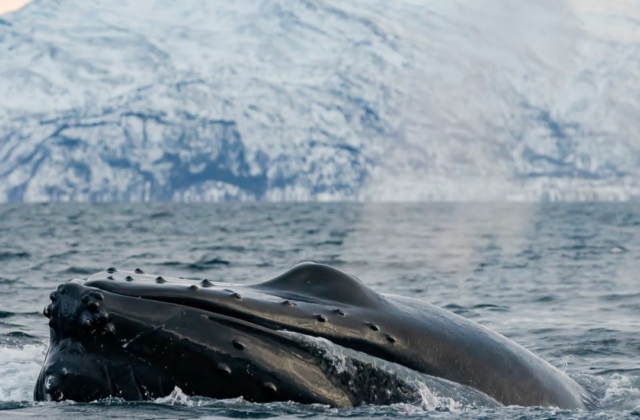
From late October to mid-February, Svalbard is plunged into the polar night: we do not sail there. For the northern lights in the heart of winter, we head to northern Norway, from the Lofoten Islands to the Lyngen Alps, with our cruise Winter magic in Norway, in December.
What about polar bears?
Spitsbergen is one of the best places in the world to see polar bears in the wild, especially near the sea ice. But no sighting is ever guaranteed: it is a wild animal that travels long distances. Our two naturalist guides know the most promising areas and the rules of approach, so we can watch without disturbing.
Our advice for choosing
- For sea ice, snow and the spirit of the Far North: spring.
- To explore as far as possible under continuous daylight: summer.
- For colors, sunsets and the first northern lights: fall.
Whatever the season, you travel with only twelve guests aboard Polarfront, with two naturalist guides. For personal advice, write to us: an advisor will reply within two business days.
WOULD YOU LIKE TO DISCOVER SPITSBERGEN?
Sail to Spitsbergen
aboard Polarfront
Twelve guests, a seasoned crew and passionate guides: the upcoming departures.
10 days / 9 nights Spitsbergen · WildlifePolar spring in Spitsbergen 12 of 12 spots from€12,490 25Apr2027 returning May 4 Spring
10 days / 9 nights Spitsbergen · WildlifePolar spring in Spitsbergen 5 of 12 spots from€12,490 4Aug2027 returning Aug 13 Summer
10 days / 9 nights Spitsbergen · WildlifeMidnight sun in Svalbard 11 of 12 spots from€12,620 19Sep2027 returning Sep 26 Fall
8 days / 7 nights Spitsbergen · Northern lightsAutumn escape to Svalbard 12 of 12 spots from€9,720 26Sep2027 returning Oct 4 Fall
9 days / 8 nights Spitsbergen · Northern lightsAutumn lights in Svalbard 10 of 12 spots from€11,110 4Oct2027 returning Oct 12 Fall
9 days / 8 nights Spitsbergen · Northern lightsAutumn lights in Svalbard 12 of 12 spots from€11,110
No upcoming departures for this selection.
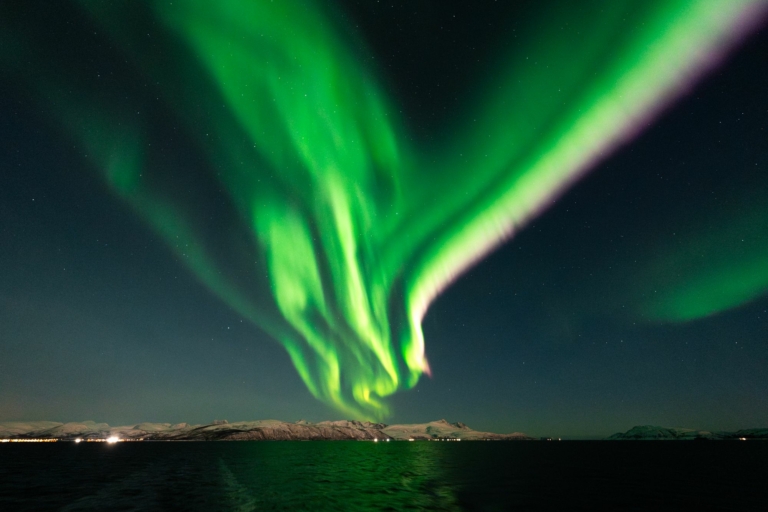
Northern lights in Norway: when and where to go
Northern Norway is one of the best places in the world to see the northern lights. You still need the right season, the right place and a clear…
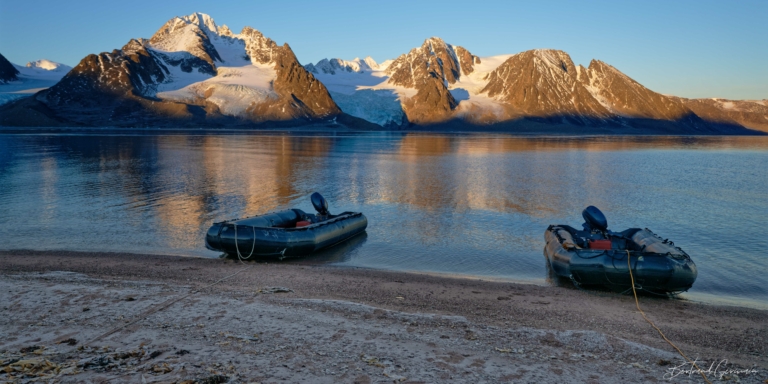
Svalbard: what the 2025 regulations change
Since January 1, 2025, Norway has enforced some of the strictest protection rules in the Arctic in Svalbard: no more large ships in protected areas, supervised landings, mandatory…
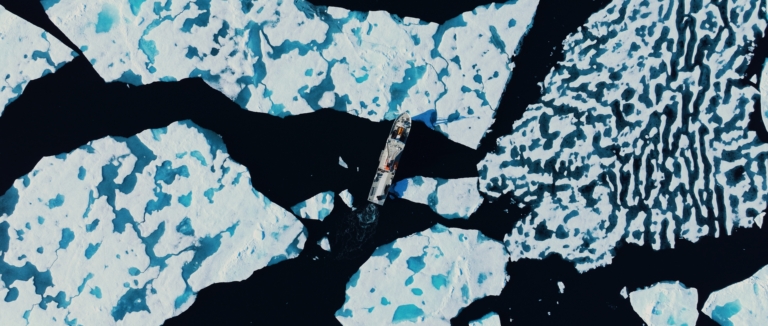
Can you go to the North Pole by ship?
It is a question we are often asked: can you go to the North Pole by ship? The honest answer comes in two parts: the Pole itself is…